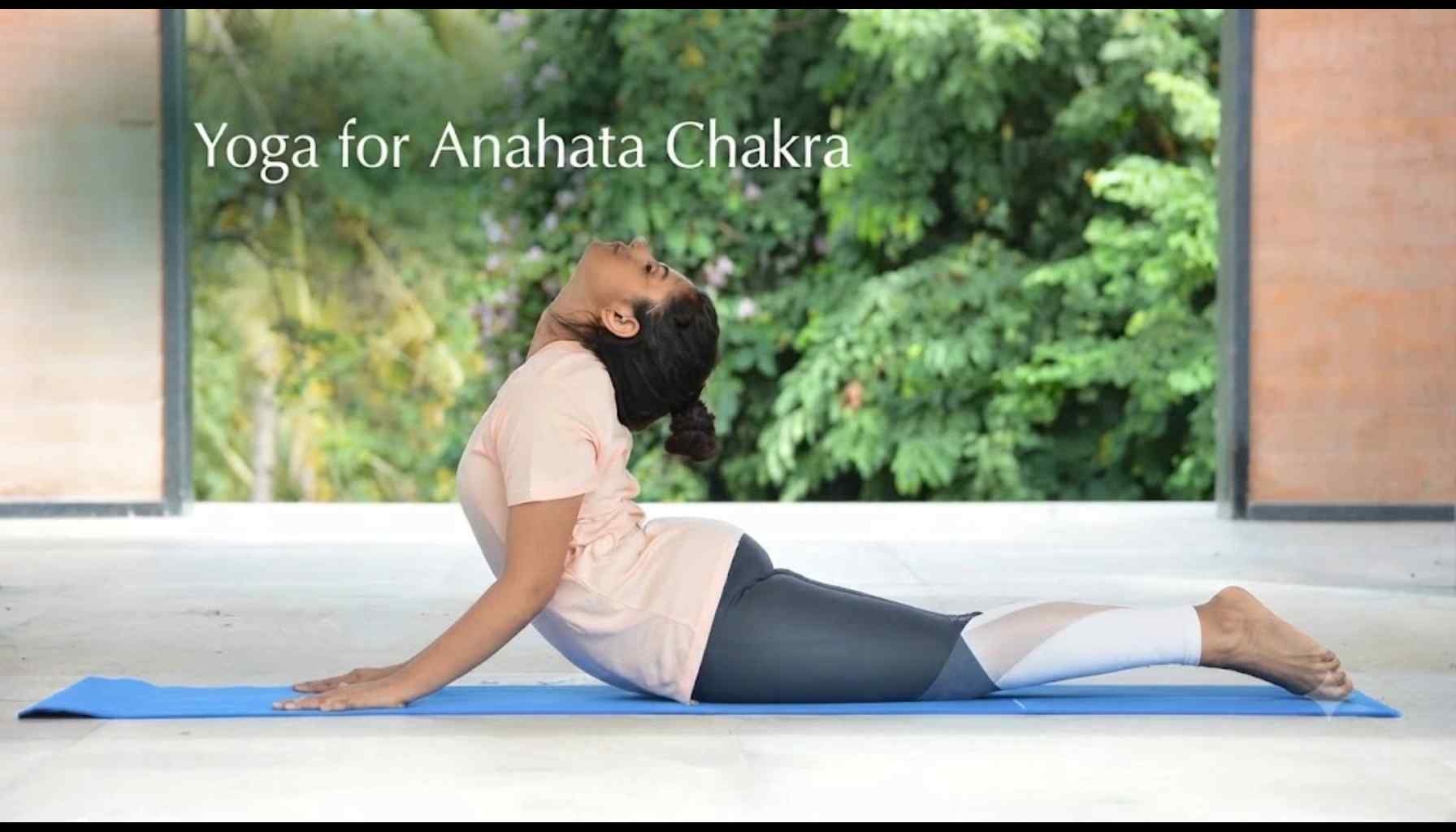
Yoga for Anahata Chakra: 7 Heart-Opening Poses
Yoga for Anahata Chakra combines heart-opening poses, mindful breathing, and meditation to encourage emotional balance and self-awareness. Anahata Chakra is one of the main chakras in yogic philosophy; its name in English means heart chakra. This chakra is associated with love, compassion, forgiveness, acceptance, and emotional connections.
Key Takeaways
- Yoga for Anahata Chakra includes yoga poses that open the heart, breathing, and meditation.
- Yoga helps with chest flexibility.
- Breathing exercises and affirmations cultivate compassion and emotional awareness.
Understanding Yoga for Anahata Chakra
Anahata Chakra is the fourth of the seven major chakras according to the yoga tradition. In the Sanskrit language, Anahata means “unstruck.”
According to the chakra theory, Anahata is a symbol of compassion both towards yourself and other people. Various heart-opening yoga postures can be part of the practices that try to develop such attributes.
Heart chakra is positioned in the middle of your chest area and traditionally has the color of green and air as an element. Balanced Anahata Chakra is the sign of openness for giving and receiving love. Heart-focused yoga practices combine gentle physical movements with breathing techniques and meditation.
Yoga for Anahata Chakra - 7 Best Poses
1. Cobra Pose (Bhujangasana)
Steps:
- Lie on your stomach and position your palms next to your lower ribs.
- Inhale and raise your chest, while ensuring that your elbows remain close.
- Maintain the pose for three breaths and then lower your chest gradually.
2. Bridge Pose (Setu Bandha Sarvangasana)
Steps:
- Lay flat on your back with bent knees touching the floor.
- Inhale and raise your hips, but ensure that your shoulders are pressed to the floor.
- Maintain the pose for three to five breaths and then release slowly.
3. Camel Pose (Ustrasana)
Steps:
- Start on your knees with your knees apart and hands placed on your hips.
- Raise your chest and bend backward, but do not compress your lower back.
- Hold for two comfortable breaths, then return upright slowly.
4. Melting Heart Pose (Anahatasana)
Steps:
- Begin on all fours with your hips positioned above your knees.
- Walk your hands forward and gently lower your chest toward the mat.
- Rest your forehead comfortably and breathe slowly for five breaths.
5. Fish Pose (Matsyasana)
Steps:
- Lie on your back and gently draw your shoulder blades together.
- Lift your chest while keeping your neck comfortable and supported.
- Hold for two breaths, then return to a neutral position.
6. Cow Face Pose (Gomukhasana)
Steps:
- Stand erect and raise one hand above your head, making your elbow bend.
- Extend the other hand behind your back and try to reach your fingers.
- Maintain for three breaths and change sides.
7. Supported Reclining Bound Angle Pose (Supta Baddha Konasana)
Steps:
- Lie flat on your back and keep your soles pressed together.
- Place cushions under your knees and let your arms rest at the sides.
- Breathe normally for one to three minutes.
Benefits of Yoga for Anahata Chakra
Yoga for Anahata Chakra combines physical movement with traditional practices focused on compassion and connection.
|
|
|
|
|
|
|
|
|
|
|
|
|
|
|
|
|
|
|
|
|
Breathing and Affirmations for the Heart Chakra
Breathing techniques and positive affirmations could be combined with heart opening yoga poses. Sit comfortably with relaxed shoulders and breathe normally for two minutes.
The following affirmations can be repeated silently:
- I treat myself with kindness.
- I welcome healthy and supportive relationships.
- I respect my emotions and boundaries.
- I allow myself to grow through difficult experiences.
Traditionally, chakra meditation includes visualizing the green light around the chest or repeating the mantra Yam.
Precautions for Heart-Opening Yoga
- Do the poses in your range of comfortable movements.
- Do not force your spine, neck, or shoulders into challenging positions.
- Use support of cushions, blocks, or strap when necessary.
- If you have an injury or a pre-existing medical condition, consult your healthcare provider before performing any challenging poses.
- Stop immediately if you feel sharp pain, chest pain,
- Yoga may support emotional well-being, but it should not replace professional care for persistent mental health concerns.
Concluding Thoughts
Yoga for Anahata Chakra offers a mindful approach to chest-opening movements, breathing, and meditation. Cobra Pose, Bridge Pose, Melting Heart Pose, and other gentle postures can support flexibility and relaxation.
Within traditional yogic philosophy, these practices symbolize compassion, forgiveness, and emotional openness. Start with beginner-friendly variations, practise consistently, and respect your body's limits.
Frequently Asked Questions
1. What does the Anahata Chakra do?
Anahata Chakra is linked with love, compassion, forgiveness, acceptance, and feeling emotionally connected.
2. Which yoga poses are best for the Anahata Chakra?
Cobra Pose, Bridge Pose, Camel Pose, Melting Heart Pose, Fish Pose, Cow Face Pose, and Supported Reclining Bound Angle Pose are commonly practised.
3. What is the mantra for the Anahata Chakra?
The traditional seed mantra of the Anahata Chakra is Yam. You can chant while performing meditation as well.
4. How can you balance the Anahata Chakra naturally?
Traditional approaches include gentle yoga, mindful breathing, meditation, and compassion-focused reflection. Read the Cleveland Clinic's guide to the seven chakras for additional context.
Also Read: Ashtanga Yoga
By Umesh Kumar Khiri

Discussion (0)
No comments yet. Be the first to comment!
Leave a Comment
You need to login to post a comment.