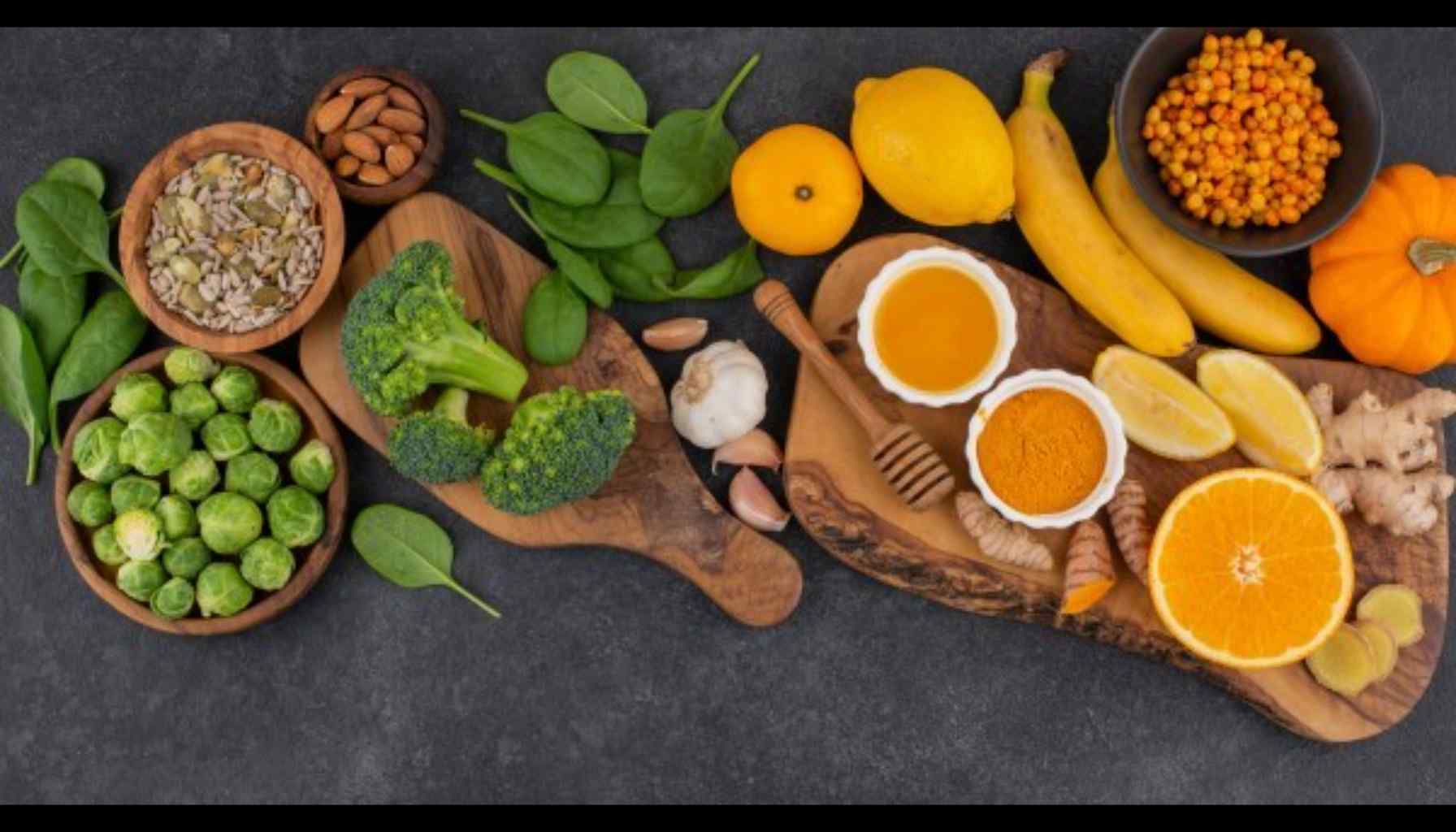
Including All Vitamins in Your Diet: Methodology, Process, Benefits and Healthy Eating Practices
Introduction
Vitamins are essential micronutrients that play an important role in maintaining good health and supporting the normal functioning of the human body. Although they are required in relatively small quantities, they contribute to several vital processes, including immunity, energy metabolism, growth, tissue repair, vision, bone health and nervous system function. A balanced diet containing a variety of nutrient-rich foods is one of the best ways to obtain these essential vitamins.
There are 13 recognised essential vitamins: vitamins A, C, D, E and K, along with eight B-complex vitamins. Each performs specific functions, and no single food provides all of them in the quantities required by the body. Therefore, eating a diverse range of fruits, vegetables, whole grains, pulses, nuts, seeds, dairy products and other suitable protein sources is important.
Including vitamins in everyday meals does not require complicated dietary changes. Simple practices such as eating seasonal fruits, choosing whole grains, incorporating green vegetables and maintaining balanced meals can help improve nutritional intake.
Including All Vitamins in Your Diet
Including all essential vitamins in the diet means consuming a variety of foods that collectively provide the nutrients needed for normal body functions. Vitamins support different biological processes and work together with minerals, proteins, carbohydrates and healthy fats to maintain overall well-being.
For example, vitamin C supports collagen formation and helps the body absorb iron from plant foods. Vitamin D contributes to calcium absorption and bone health, while vitamin A supports normal vision and immune function. B-complex vitamins help the body release energy from food and support the nervous system.
Understanding the Role of Essential Vitamins in the Body
The Difference Between Fat-Soluble and Water-Soluble Vitamins
Vitamins are classified into two main categories according to how they dissolve and are stored in the body.
Fat-soluble vitamins include vitamins A, D, E and K. They are absorbed along with dietary fats and can be stored in the liver and fatty tissues. These vitamins contribute to vision, bone health, antioxidant protection and blood clotting.
Most are not stored in large quantities, and excess amounts are generally eliminated through urine. Vitamin B12 is an important exception because the body can store substantial amounts of it.
Since fat-soluble vitamins can accumulate, excessive supplementation may cause harmful effects. Water-soluble vitamins can also cause problems when consumed in excessive quantities, particularly through high-dose supplements.
The Role of Vitamins in Growth, Immunity and Metabolism
Vitamins contribute to several important bodily functions.
Vitamin D supports calcium absorption and bone development, while vitamin E protects cells against oxidative damage.
B-complex vitamins participate in energy metabolism, red blood cell formation and nervous system function. Vitamin K is necessary for normal blood clotting and contributes to bone metabolism.
Together, these nutrients support normal growth, development, tissue maintenance and overall health.
Understanding Daily Vitamin Requirements
Daily vitamin requirements differ according to age, sex, pregnancy, breastfeeding, health conditions and lifestyle.
Children require nutrients for growth and development, while older adults may need particular attention to vitamin B12, vitamin D and other nutrients. Pregnant women have increased requirements for certain vitamins, including folate.
The recommended dietary allowances (RDAs) and adequate intakes (AIs) provide guidance on the quantities required by different population groups. Individual requirements should be considered when planning meals.
It is important to remember that consuming more vitamins than recommended does not necessarily improve health.
The Importance of Vitamin Absorption and Nutrient Availability
The body must absorb vitamins from food before using them. Several factors influence this process, including digestion, food preparation, gut health and the presence of other nutrients.
Adding a small quantity of healthy oil to cooked vegetables can help the body absorb carotenoids, which can be converted into vitamin A.
Cooking methods also influence vitamin availability.
Eating a balanced combination of foods helps improve overall nutrient availability.
Methodology for Including Essential Vitamins in Your Diet
Identifying the Dietary Sources of Vitamins A, B, C, D, E and K
The first step is understanding which foods provide different vitamins.
-
Vitamin A: Carrots, sweet potatoes, spinach and other leafy vegetables.
-
B-complex vitamins: Whole grains, pulses, eggs, dairy products, nuts and seeds.
-
Vitamin C: Guava, oranges, amla, tomatoes and bell peppers.
-
Vitamin D: Fatty fish, egg yolks and fortified foods.
-
Vitamin E: Almonds, sunflower seeds and vegetable oils.
-
Vitamin K: Spinach, broccoli, cabbage and other green vegetables.
Identifying these sources makes it easier to create balanced meals without depending on a limited selection of foods.
Building a Sustainable Vitamin-Rich Eating Routine
Creating a Weekly Meal Plan With Diverse Food Sources
A weekly meal plan makes it easier to include different vitamins.
For example, alternate leafy vegetables, carrots, pumpkin, beans, seasonal fruits, lentils, whole grains, nuts and suitable protein sources.
Planning meals in advance also reduces dependence on processed foods and makes grocery shopping more organised.
Combining Plant-Based and Animal-Based Sources Where Suitable
People who consume animal products can include eggs, dairy, fish and other suitable foods.
Plant-based eaters can obtain many essential vitamins through vegetables, fruits, whole grains, pulses, nuts, seeds and fortified products.
The important consideration is ensuring that all nutritional requirements are met, regardless of dietary preference.
Adapting Meals to Seasonal Availability and Budget
Healthy eating does not need to be expensive.
Locally available foods such as bananas, guavas, papayas, carrots, spinach, lentils, chickpeas and millets can contribute to a nutritious diet.
Buying seasonal produce, preparing meals at home and reducing food waste can make a vitamin-rich diet more affordable.
Monitoring Nutritional Needs With Professional Guidance
Professional advice is useful when nutritional requirements are uncertain or deficiencies are suspected.
Doctors and registered dietitians can assess dietary habits, medical history, medications and relevant laboratory results.
This is especially important during pregnancy, older age and when managing chronic illnesses or digestive disorders.
Maintaining Consistency Without Relying on Supplements Alone
The foundation of a healthy diet is consistency and variety.
Eating different food groups regularly, preparing balanced meals and choosing minimally processed foods can help maintain adequate vitamin intake.
Supplements may be necessary in particular circumstances, but they should not become a substitute for nutritious everyday meals.
FAQs on Including All Vitamins in Your Diet
1. What Are the Essential Vitamins Required for Everyday Health?
There are 13 essential vitamins: A, C, D, E, K and eight B-complex vitamins. They contribute to vision, immunity, energy metabolism, bone health, blood formation, nervous system function and other important processes.
2. What Are the Natural Food Sources of Different Vitamins?
Fruits and vegetables provide vitamins A, C, K and folate. Whole grains and pulses supply several B vitamins. Nuts and seeds provide vitamin E, while eggs, dairy products and fish provide vitamin B12 and other nutrients. Fortified foods can help address particular dietary gaps.
3. What Is the Difference Between Vitamins From Food and Supplements?
Foods provide vitamins along with fibre, minerals, proteins and other beneficial compounds. Supplements provide concentrated quantities of selected nutrients.
Food is generally the preferred source of vitamins. Supplements can be useful when dietary intake is inadequate, absorption is impaired or a healthcare professional identifies a specific requirement.
4. How Can Vegetarians and Vegans Maintain Adequate Vitamin Intake?
Vegetarians can obtain vitamins from dairy products, eggs, pulses, whole grains, nuts, seeds, fruits and vegetables.
Vegans should pay particular attention to vitamin B12 and use reliable fortified foods or supplements as appropriate. Vitamin D and other nutrients may also require individual assessment.
5. What Role Do Cooking Methods Play in Vitamin Retention?
Cooking can affect vitamin content. Prolonged boiling may reduce water-soluble vitamins such as vitamin C and some B vitamins.
Steaming, light stir-frying and shorter cooking times can help retain nutrients. Eating a combination of raw and cooked vegetables is a practical approach.
Building Better Health Through a Balanced and Vitamin-Rich Diet
Including essential vitamins in everyday meals is an important part of maintaining a healthy lifestyle. Each vitamin contributes to specific bodily functions, and together they support immunity, metabolism, growth, bone health, vision, blood formation and tissue maintenance.
A practical approach begins with dietary variety. Eating seasonal fruits, colourful vegetables, whole grains, pulses, nuts, seeds and suitable protein sources helps provide a broad range of essential nutrients. Thoughtful food preparation and balanced meal combinations can further improve nutrient availability.
It is equally important to recognise that nutritional requirements differ between individuals. Age, lifestyle, pregnancy, medical conditions, dietary preferences and nutrient absorption can all influence vitamin needs.
Supplements should be considered when there is a genuine nutritional requirement rather than taken routinely in excessive quantities. Professional guidance can help identify deficiencies and determine appropriate treatment.
Ultimately, healthy eating is not about consuming large quantities of individual vitamins. It is about developing consistent habits that provide the body with the nutrients it needs. A diverse, balanced and sustainable diet is a valuable foundation for long-term health and well-being.
We wish everyone a healthy life incorporating all vitamins.
By Jamuna Rangachari


Discussion (0)
No comments yet. Be the first to comment!
Leave a Comment
You need to login to post a comment.