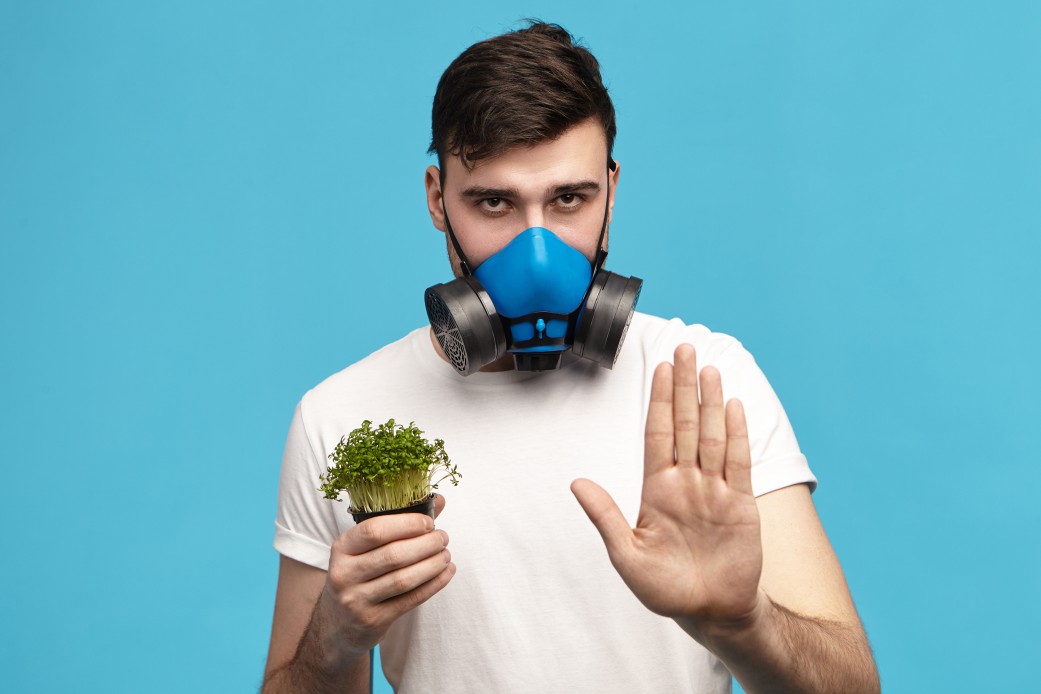
Preventing Pollution: Protecting Our Planet for a Healthy Future
Rapid urbanisation, industrial activities, plastic waste, vehicle emissions and the excessive use of chemicals contribute to environmental damage. Preventing pollution is essential for protecting nature, improving public health and ensuring a cleaner planet for future generations.
Understanding the Types of Pollution
Vehicle exhaust, factory emissions, construction dust and the burning of waste are common sources. Air pollution can worsen respiratory and heart conditions.
Water pollution happens when sewage, industrial chemicals, plastics and agricultural waste contaminate rivers, lakes and oceans. Polluted water threatens aquatic life and can spread diseases.
Soil pollution results from improper waste disposal, excessive pesticide use and chemical contamination.
Noise pollution is caused by traffic, construction, loudspeakers and industrial machinery.
Understanding these forms of pollution helps communities identify their causes and adopt suitable preventive measures.
Practical Ways to Prevent Pollution
-
Reduce, Reuse and Recycle
-
People can carry reusable shopping bags, water bottles and food containers instead of relying on disposable plastics. Repairing products, donating usable items and recycling suitable materials can reduce waste sent to landfills.
Households should separate wet waste, dry recyclables and hazardous waste according to local guidelines. Food scraps can often be composted to produce nutrient-rich material for gardens.
-
Keep the Air Clean
-
Walking, cycling, carpooling and using public transport can reduce vehicle emissions. Maintaining vehicles regularly and avoiding unnecessary engine idling also help improve air quality.
Households and industries should avoid burning leaves, plastic and other rubbish. Cleaner energy sources, energy-efficient appliances and renewable electricity can reduce pollution from fossil fuels.
Planting and protecting trees supports biodiversity, absorbs carbon dioxide and provides shade. However, tree planting must complement—not replace—efforts to reduce emissions at their source.
-
Protect Water Resources
-
Water bodies must be protected from sewage, chemicals, oil and plastic waste. People should never throw rubbish into drains, lakes or rivers. Households should dispose of medicines, paints and cleaning chemicals through appropriate collection systems rather than pouring them into drains.
Wastewater must be treated by industries before releasing it into the environment. Communities can organise lake clean-ups, protect wetlands and report illegal dumping to the relevant authorities.
-
Prevent Soil Pollution
-
Farmers can reduce chemical contamination by using fertilisers and pesticides responsibly, improving soil management and adopting integrated pest management. Households can avoid littering and dispose of batteries, electronic waste and other hazardous materials safely.
Community gardens, composting and responsible farming practices help maintain healthy soil and support sustainable food production.
-
Reduce Noise Pollution
-
Using vehicle horns only when necessary, maintaining silencers, regulating construction hours and controlling loudspeaker volumes can reduce unwanted noise. Green spaces and suitable noise barriers can also help create quieter neighbourhoods.
The Role of Individuals, Businesses and Governments
Pollution prevention requires cooperation. Individuals can adopt eco-friendly habits, schools can organise environmental awareness programmes, and businesses can reduce packaging and manage waste responsibly.
Governments play an important role by enforcing pollution-control laws, improving public transport, investing in clean energy, developing efficient waste-management systems and monitoring air and water quality.
Community participation can turn small individual efforts into meaningful collective action.
Benefits of Preventing Pollution
Preventing pollution offers several benefits:
Better health: Cleaner air and water reduce exposure to harmful contaminants.
Protected biodiversity: Healthy ecosystems provide safer habitats for plants and animals.
Improved quality of life: Cleaner neighbourhoods and quieter surroundings support well-being.
Resource conservation: Recycling and responsible consumption reduce pressure on natural resources.
Climate protection: Reducing fossil-fuel use can lower greenhouse gas emissions.
Economic benefits: Cleaner environments can support sustainable agriculture, tourism and healthier communities.
Conclusion
Preventing pollution is a shared responsibility that begins with everyday decisions and extends to industries and governments. Reducing waste, avoiding single-use plastics, conserving energy, protecting water bodies and using cleaner transport are practical steps everyone can take.
A pollution-free world cannot be achieved overnight, but consistent action can make a significant difference. By respecting nature, adopting sustainable lifestyles and holding polluters accountable, we can protect the environment and create a cleaner, healthier and safer future for generations to come.
Let us move towards a pollution free world with steady steps.
By Jamuna Rangachari

Discussion (0)
No comments yet. Be the first to comment!
Leave a Comment
You need to login to post a comment.