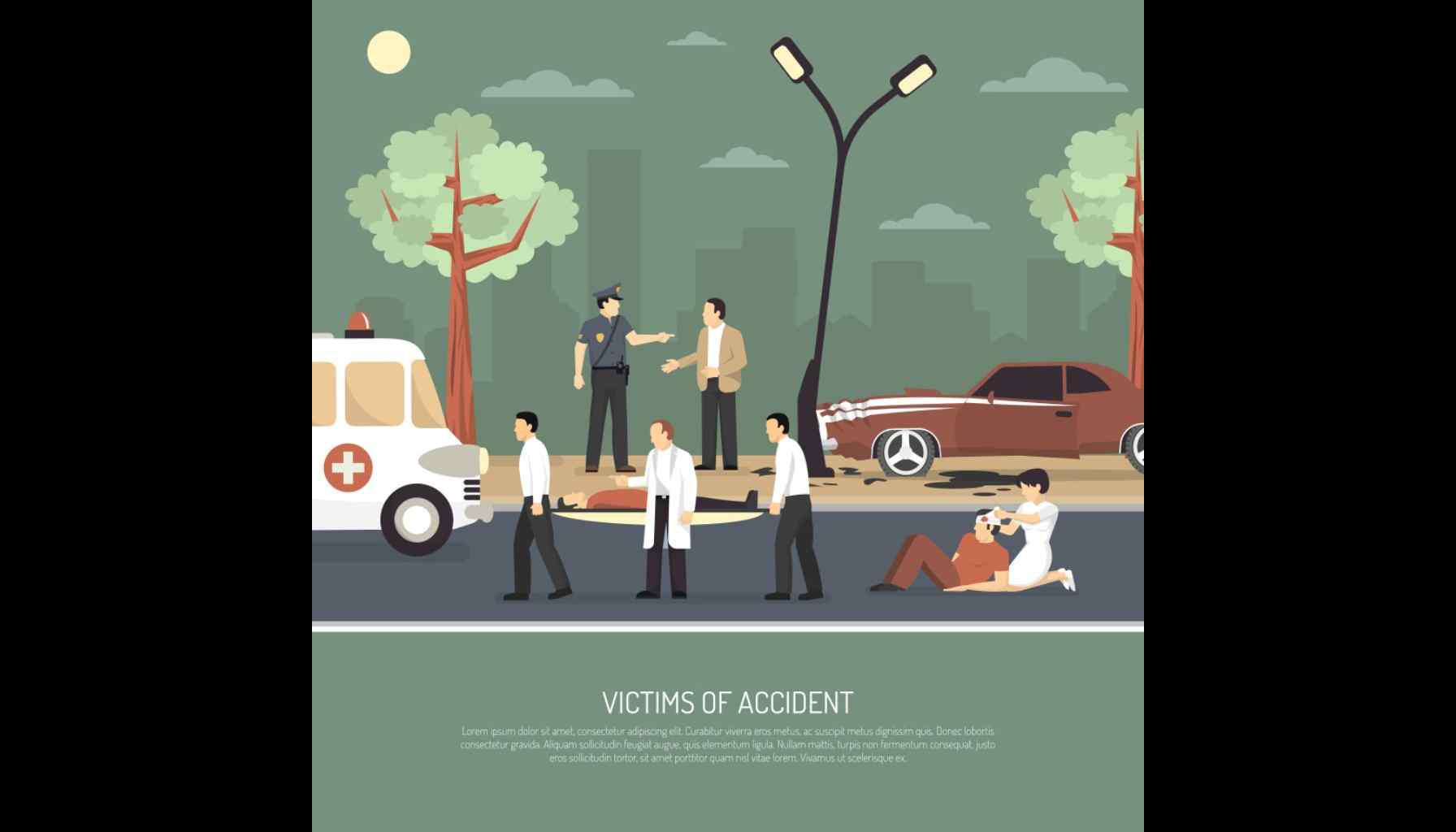
People first, No Road Deaths in Helsinki
Helsinki, the capital of Finland, has developed a strong reputation for putting people at the centre of urban planning. One of the most important goals of the city is to make its streets safer for everyone, especially pedestrians and cyclists. Helsinki’s approach shows how thoughtful planning, safer infrastructure and responsible road behaviour can help reduce traffic deaths.
The idea of “people first” means designing streets around human needs rather than giving priority only to cars. Helsinki has invested in pedestrian areas, cycling infrastructure, public transport and safer street crossings. When roads are designed for people walking and cycling, vehicles are encouraged to move at speeds that are more compatible with urban life.
Speed management is particularly important. Lower vehicle speeds give drivers more time to react and significantly reduce the severity of crashes when they occur. Helsinki has introduced extensive lower-speed areas and redesigned streets to encourage slower driving. Traffic-calming measures, safer crossings and improved visibility can make streets more comfortable and predictable for everyone.
Helsinki also places importance on separating different modes of transport where appropriate. Well-designed cycle paths and pedestrian routes reduce conflicts between people travelling in different ways. Public transportation is another important part of the city's approach. Reliable buses, trams and other forms of public transport provide alternatives to private cars and can help create streets with less traffic.
The city's road-safety strategy is connected to the broader idea of Vision Zero—the principle that no loss of life in road traffic should be accepted as inevitable. Achieving zero road deaths is challenging, but the goal encourages authorities to look beyond blaming individual road users. Instead, planners examine the entire transport system: road design, speed limits, vehicles, enforcement, lighting and the behaviour of different road users.
Helsinki's experience demonstrates that road safety is not simply a matter of telling people to be more careful. The physical environment strongly influences how people behave. A narrow street, a protected cycle lane, a well-marked crossing or a lower speed limit can change how drivers and pedestrians interact.
There are also lessons for other cities. Rapidly growing urban areas often face congestion, pollution and increasing numbers of road users. Building wider roads alone does not necessarily solve these problems. A people-first approach can combine safe walking and cycling facilities with efficient public transport and sensible traffic management.
Helsinki's pursuit of safer streets represents a broader change in thinking about cities. Roads are not merely spaces for moving vehicles; they are public spaces used by people of different ages and abilities. By designing them around human safety and accessibility, cities can become healthier, more inclusive and more pleasant places to live.
The goal of “no road deaths” is therefore more than a traffic-safety slogan. It represents a commitment to designing a transport system in which human life is given the highest priority.
We all certainly need to learn a lot from them.
By Jamuna Rangachari


Discussion (0)
No comments yet. Be the first to comment!
Leave a Comment
You need to login to post a comment.