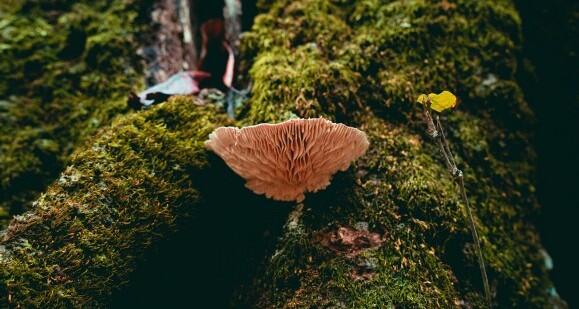
Mushroom Coffins: An Eco-Friendly Way to Return to Nature
Imagine a coffin that does not leave behind waste but instead helps nourish the earth and support new greenery. This is the inspiring idea behind mushroom coffins, an innovative development in sustainable funerals. Made using the root-like network of mushrooms, these biodegradable coffins offer an environmentally conscious alternative to conventional wooden coffins.
One pioneering example is the Living Cocoon, developed by Dutch company Loop Biotech. Its innovative design reimagines the traditional burial process by turning human death into an opportunity to contribute to nature's cycle of renewal.
How Are Mushroom Coffins Made?
The secret lies in mycelium, the thread-like underground network that forms the main body of a fungus. Mycelium plays an important role in nature by breaking down organic matter and recycling nutrients into the soil.
The Living Cocoon is made by combining mycelium with upcycled hemp fibres. This mixture is placed inside a specially designed mould. Over approximately seven days, the mushroom network grows through the hemp fibres, binding them together into a strong, coffin-shaped structure.
Unlike conventional coffins, which may contain processed wood, synthetic adhesives, metal fittings and chemical finishes, this design uses natural materials without conventional glue or plastic.
The finished coffin is lightweight, sturdy and lined with soft moss, creating a natural appearance.
How Do Mushroom Coffins Help the Environment?
The environmental benefits become particularly interesting after burial. When placed in the ground, moisture reactivates the mycelium, allowing it to resume its natural role as a decomposer.
The Living Cocoon's manufacturer states that the coffin can biodegrade within approximately 45 days under ideal conditions. As the material breaks down, it returns organic matter and nutrients to the soil, supporting microorganisms and contributing to soil biodiversity.
This process may help create healthier conditions for surrounding vegetation. Rather than leaving behind a coffin made from materials that take much longer to decompose, the mushroom-based alternative becomes part of the natural recycling process.
However, the actual decomposition period depends on soil conditions, moisture and the burial environment.
Encouraging Greenery and Biodiversity
Mushroom coffins represent a fresh way of thinking about cemeteries and green spaces. Traditional burial grounds can potentially become more nature-friendly when sustainable burial materials are used alongside responsible land management.
The nutrients released during decomposition can support soil organisms and natural ecological processes. These processes contribute indirectly to conditions that help plants, trees and other vegetation thrive.
The idea is especially meaningful for people who wish to leave behind a positive environmental legacy. Their final journey becomes a symbolic contribution to the natural world.
A New Approach to Funeral Traditions
Mushroom coffins demonstrate how scientific innovation can transform even traditional practices. They offer families an opportunity to consider environmentally responsible choices while retaining the dignity and solemnity of funeral ceremonies.
The Living Cocoon is designed for natural burial, traditional burial and cremation, subject to applicable funeral requirements. Its growing popularity also reflects increasing interest in green funerals and sustainable end-of-life choices.
A Greener Legacy
Mushroom coffins remind us that our relationship with nature need not end with our lives. By using biodegradable materials and supporting natural decomposition, they offer an alternative vision of how humans can return to the earth.
Although this technology is still developing, it represents an encouraging step towards greener funeral practices. Perhaps one day, cemeteries will become increasingly biodiverse spaces where remembrance, nature and new growth exist together.
We wish them all the best.
By Jamuna Rangachari


Discussion (0)
No comments yet. Be the first to comment!
Leave a Comment
You need to login to post a comment.