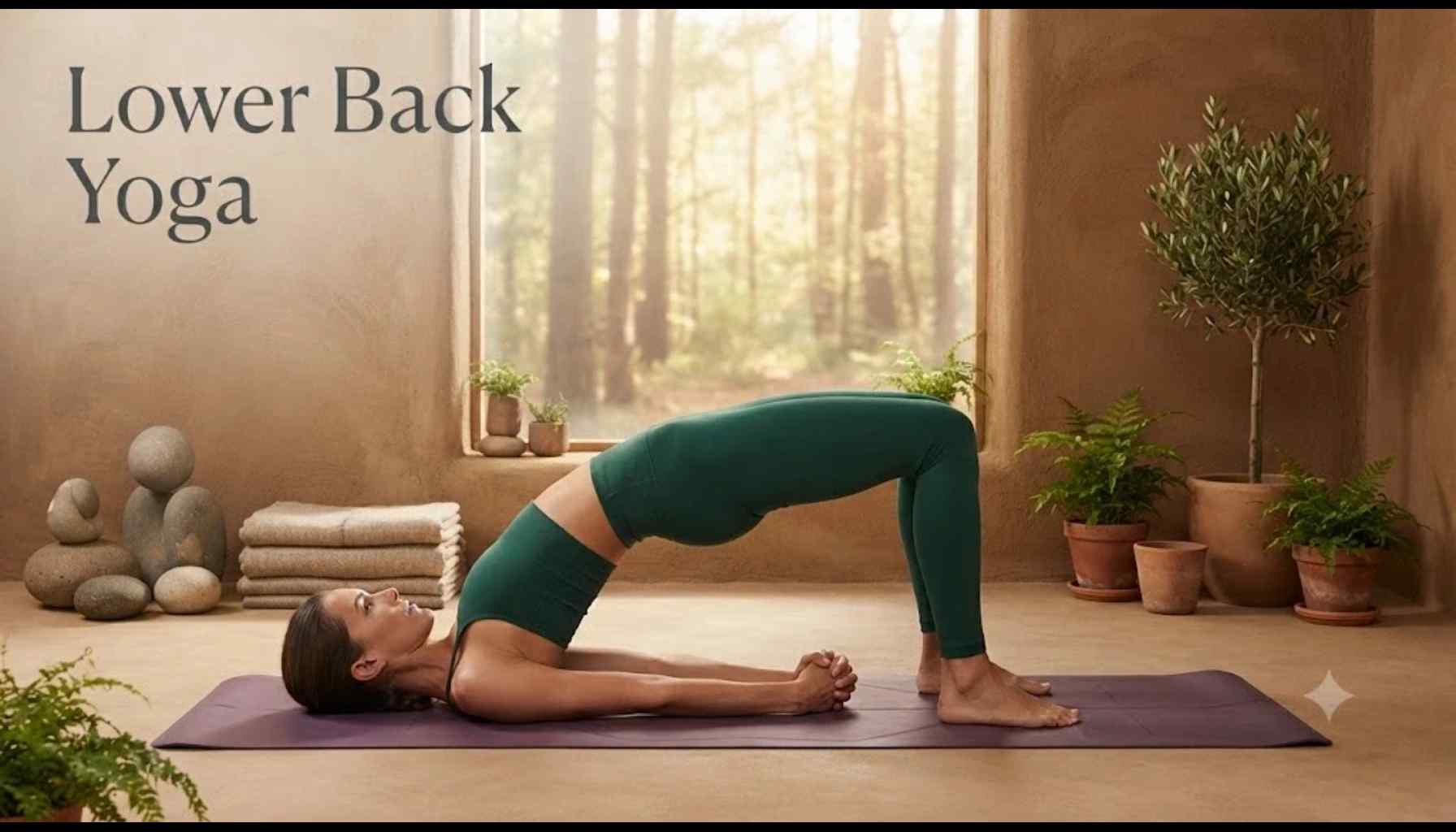
Lower Back Yoga: Gentle Poses
Lower back yoga offers a slow, low-impact way to loosen tight muscles, build core and hip support, and move with more ease through your day. Whether your back tightens after hours at a desk or after a long day on your feet, a few mindful poses can make a real difference. This guide explains how it works, which poses to try, and when you need to be careful.
Key Takeaways
- Gentle poses like Cat-Cow, Child's Pose, and Bridge Pose can ease stiffness and support your lower back.
- Stretch only to mild tension, use props, and see a doctor for severe or persistent pain.
- Short, regular sessions of 10 to 20 minutes work well.
How Lower Back Yoga Can Help
The muscles of the lower back almost never act in isolation. Hip tightness, lack of glute strength, and limited mobility in the midsection of the spine require your lower back to compensate for the deficits in these areas.
- Mobility: Gentle flexion and rotation maintain the flexibility of the spine and prevent stiffness.
- Stabilizers: Movements such as bridge awaken glutes and deep core muscles which help support your spine.
- Flexible hips and hamstrings: The more flexible your legs, the less tension your lower back is exposed to.
- Stress relief: Deep breathing helps relieve the muscle guarding associated with chronic pain.
Before You Start: Safety First
Back pain has many causes, so a few precautions matter.
- See a doctor first if your pain is severe, follows an injury, lasts more than a few weeks, or comes with numbness, leg weakness, fever, or changes in bladder or bowel control.
- Move to a mild stretch, never sharp pain. Back off if a pose pinches or radiates down your leg.
- Go slowly and avoid jerky movements or forcing deeper positions.
- Use props. Pillows, blankets, and a strap help you stay supported and aligned.
Lower Back Yoga Poses
Move at your own pace and keep your breathing smooth throughout.
1. Cat and Cow (Marjaryasana-Bitilasana): Start from the position on all fours and arch and then round your back. This pose heats up the whole back and teaches to move smoothly.
2. Child's Pose (Balasana): Come to a sitting position, leaning back to rest your body weight on your heels, with your arms stretched out before you. You can use a cushion to support your chest or hips. This pose stretches your lower back.
3. Knees-to-Chest (Apanasana): Lie on your back and bring your knees up to your chest. Gently rock from side to side, massaging your lower back.
4. Supine Spinal Twist (Supta Matsyendrasana): Let your bent knees fall to one side, while your shoulders stay anchored on the floor. This pose is performed gently and then repeated on the other side.
5. Reclining Figure Four (Supta Kapotasana): Lie on your back and cross one ankle over your other knee and pull your legs towards your chest. Tight hips which cause stress to the back are being released in this pose.
6. Bridge Pose (Setu Bandhasana): Bend your knees, put your feet down and lift your hips comfortably high.
7. Sphinx Pose (Salamba Bhujangasana): Lie on your belly and prop yourself on your forearms. Keep it mild and stop if it increases discomfort.
8. Downward-Facing Dog (Adho Mukha Svanasana): Bring up your hips to form an inverted V shape, bending your knees if necessary. It will stretch the calves, hamstrings, and shoulders and train shoulder stability.
A 10-Minute Lower Back Yoga Routine
Give it a try once or twice a day, or even just in the evenings for relaxation purposes:
- Knees To Chest
- Supine Twist (left and right)
- Figure Four Reclined (left and right)
- Cat Cow Stretch
- Child's Pose
- Bridge Pose
- Lie down with knees bent and feet touching the ground
Feel free to skip lower back yoga poses that don't agree with you. Short but comfortable practice is better than long and painful.
How to Approach Lower Back Yoga Poses With Care
Some movements can aggravate a sensitive back, especially during a flare-up:
- Deep forward folds with straight legs
- Intense backbends such as wheel or full camel
- Strong, deep twists
- Advanced balances and inversions
- Holding any pose through pain
Off the mat, taking short walks, regularly changing positions, and having proper chair support will keep your back healthy as well.
Tips to Build a Routine That Lasts
- Practice often, keep it short: Ten minutes most days beats one long weekly session.
- Warm up first: Do cat-cow or knees to chest poses.
- Keep track of how you feel: Write down the poses that help with stiffness and the ones that do not.
- Include strength training and walking: Your core and glute and overall physical activity aid the process.
Final Thoughts
Lower back yoga works best when it's gentle, consistent, and tailored to what your body can do today. Start with a few supported poses, listen closely to your back, and check with a healthcare professional if pain is persistent or severe. Small, steady practice can leave you moving more freely.
Frequently Asked Questions
1. What is the best yoga pose for lower back pain?
There isn't one best pose, but Cat-Cow, Child's Pose, Knees-to-Chest, and Bridge Pose are gentle starting points many people find soothing.
2. What yoga poses should you avoid with lower back pain?
Avoid deep straight-leg forward folds, intense backbends, forceful twists, and advanced balances while your back is sore, and never push through pain.
3. How often should you do yoga for lower back pain?
Short sessions of 10 to 20 minutes, a few times a week or daily are a sensible start, building up gradually as your back responds.
4. How is yoga beneficial for lower back pain?
For many people with chronic lower back pain, gentle yoga is a reasonable option, though research suggests the benefits are modest, so combine it with medical guidance.
Also Read: Best Yoga Poses for Back Pain
By Umesh Kumar Khiri

Discussion (0)
No comments yet. Be the first to comment!
Leave a Comment
You need to login to post a comment.