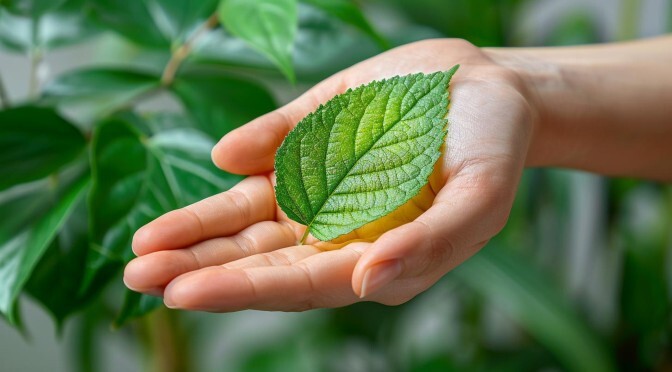
Plant Leaves and Cancer: Suggested Leaves, Consumption Methods and Potential Benefits
Introduction
Plant-based foods have an important place in a healthy lifestyle. Among them, leafy vegetables and edible herbs are particularly valuable because they provide vitamins, minerals, dietary fibre and naturally occurring plant compounds. Moringa, spinach, curry leaves, fenugreek, amaranth, kale and coriander are examples of leaves commonly included in different cuisines, especially Indian cooking.
Growing interest in natural health practices has encouraged people to explore whether particular plant leaves can help prevent or treat cancer. Some leaves contain antioxidants and phytonutrients that have been studied for their possible roles in protecting cells from oxidative damage and supporting normal body functions. However, it is important to distinguish laboratory research on plant compounds from proven benefits in humans.
Plant Leaves and Cancer: Understanding Their Potential Role
Cancer develops through complex biological processes involving abnormal cell growth, genetic changes and interactions between cells and their surrounding environment. Its prevention and treatment require scientifically evaluated approaches.
Plant leaves contain several naturally occurring substances, including flavonoids, carotenoids, polyphenols and other antioxidants. Researchers investigate these compounds because some demonstrate interesting biological activities in laboratory experiments. However, a substance showing activity in a laboratory does not necessarily produce the same effect when consumed as food.
Leafy vegetables should therefore be considered part of nutritional support rather than cancer medicine. Their contribution is mainly nutritional: providing essential nutrients, supporting digestion, helping maintain dietary variety and contributing to overall well-being.
For people undergoing cancer treatment, a nutritious diet can be particularly important because treatments may affect appetite, digestion, taste preferences and the body's ability to maintain weight. Appropriate food choices can help address these challenges when guided by an oncology dietitian.
Understanding the Nutritional Value of Edible Leaves
Leafy vegetables are nutrient-rich foods that can contribute to a balanced eating pattern. Their nutritional composition varies according to the plant species, growing conditions, freshness and cooking method.
Vitamins, Minerals and Antioxidants in Leafy Greens
Many edible leaves provide vitamins A, C, K and folate. They may also contain minerals such as calcium, magnesium, potassium and iron. These nutrients perform important functions, including supporting normal vision, bone health, blood formation, tissue maintenance and immune function.
Antioxidants are naturally occurring substances that help protect cells against oxidative damage. Vitamin C, vitamin E and carotenoids are examples of nutrients with antioxidant properties.
However, eating antioxidant-rich foods should not be interpreted as directly destroying cancer cells. Their value lies in supporting normal physiological functions as part of a varied diet.
Role of Phytonutrients and Plant Compounds
Phytonutrients are naturally occurring compounds found in plants. Flavonoids, polyphenols, carotenoids and glucosinolates are examples.
Some of these compounds have demonstrated antioxidant and other biological activities in laboratory research. Scientists continue to investigate their possible roles in inflammation, cellular health and disease prevention.
The concentration of these compounds differs between plants. Eating a variety of vegetables is generally more useful than depending on one particular leaf.
Dietary Fibre and Gut Health
Dietary fibre is another important component of leafy vegetables. It supports bowel regularity, contributes to digestive health and helps nourish beneficial gut microorganisms.
Adequate fibre intake can help maintain healthy digestion and support normal blood glucose and cholesterol regulation. However, people experiencing diarrhoea, bowel inflammation or digestive discomfort during cancer treatment may need temporary adjustments to their fibre intake.
Cooked vegetables may be easier to tolerate than raw ones for some patients.
Difference Between Nutritional Benefits and Anti-Cancer Claims
It is important to distinguish between the nutritional benefits of vegetables and claims that they directly treat cancer.
For example, a laboratory experiment may demonstrate that a concentrated plant extract affects cancer cells under controlled conditions. This does not establish that eating the corresponding vegetable produces the same effect in the human body.
Cancer treatment requires clinical evidence demonstrating safety and effectiveness in patients. No edible leaf has been proven to eliminate cancer, shrink tumours or prevent cancer recurrence.
Leafy greens should therefore complement, rather than replace, evidence-based medical treatment.
Suggested Edible Leaves and Their Potential Health Benefits
Different edible leaves provide different nutrients. Including a variety of them in everyday meals can improve dietary diversity and nutritional quality.
Moringa Leaves – Nutrient Density and Antioxidant Compounds
Moringa oleifera | Drumstick tree
Moringa Oleifera and Drumstick Tree Fruit, Also Known as Horseradish Tree. Closeup of fresh green moringa leaves (Moringa oleifera) with smooth texture and elliptical shape, a soft, blurred background.
Moringa leaves are widely used in Indian cuisine and traditional food preparations. They contain vitamins, minerals, fibre and several naturally occurring plant compounds.
They are particularly valued for their nutritional density and contain carotenoids and polyphenols that have attracted scientific interest.
Moringa leaves can be incorporated into vegetable curries, dal, soups and stir-fried preparations. Fresh leaves should be cleaned properly and cooked according to food safety requirements.
Although laboratory research has explored the biological activities of moringa compounds, there is insufficient clinical evidence to establish moringa leaves as a cancer treatment.
Ordinary culinary use is different from consuming concentrated moringa powders, extracts or capsules. Patients receiving cancer treatment should discuss supplements with their medical team before using them.
Spinach Leaves – Folate, Vitamins and Dietary Fibre
Spinach is a familiar leafy vegetable that provides folate, vitamin K, vitamin A precursors and several minerals. It also contains dietary fibre and carotenoid compounds such as lutein and beta-carotene.
Folate contributes to normal DNA synthesis and cell division. Vitamin K plays a role in normal blood clotting and bone health.
Spinach can be prepared as palak dal, spinach soup, vegetable curry or lightly cooked greens. Cooking reduces some heat-sensitive vitamins but also makes spinach easier to eat for certain individuals.
Spinach contains oxalates, which may be relevant for people prone to certain types of kidney stones. People with kidney disease or specific dietary restrictions should seek individual advice.
Curry Leaves – Plant Compounds and Nutritional Value
Curry Leaves
Curry leaves are widely used in Indian cooking for their distinctive aroma and flavour. They contain several plant compounds, including flavonoids and other polyphenols.
They also contribute small amounts of vitamins and minerals when used in food. Their familiar culinary role makes them an easy addition to everyday meals.
Curry leaves can be included in vegetable dishes, chutneys, sambar, rasam and dals. They may be added during tempering or incorporated into cooked preparations.
Traditional claims about curry leaves and cancer should be treated cautiously. Research involving isolated compounds or extracts does not establish that eating curry leaves treats cancer.
Fenugreek Leaves – Fibre and Micronutrients
Fenugreek leaves, commonly known as methi, are used in Indian vegetable preparations, parathas and dals. They contain fibre, vitamins, minerals and naturally occurring plant compounds.
Their fibre content contributes to digestive health, while their micronutrients support normal body functions.
Methi can be cooked with potatoes, lentils or other vegetables. Its slightly bitter flavour also makes it suitable for soups and mixed vegetable preparations.
Fenugreek seeds and concentrated fenugreek supplements are different from ordinary culinary use of the leaves. People taking medicines for blood glucose regulation or those receiving cancer treatment should discuss concentrated preparations with their healthcare providers.
Amaranth Leaves – Iron and Vitamin Content
Amaranthus species
Amaranth leaves, known by different regional names such as keerai, are commonly consumed in India. They provide folate, carotenoids, vitamin C, fibre and minerals, including iron.
Iron is essential for the production of haemoglobin, which carries oxygen through the bloodstream. Folate also supports normal red blood cell formation.
Amaranth leaves can be prepared as keerai masiyal, dal, vegetable curry or soup. Combining them with vitamin C-rich foods may help improve the absorption of non-haem iron from plant foods.
However, dietary iron cannot independently correct every type of anaemia. Cancer-related anaemia requires medical assessment and appropriate treatment.
Kale Leaves – Vitamins and Carotenoids
Kale is a leafy vegetable valued for its vitamin K, vitamin C, carotenoids and fibre. It also contains glucosinolates, which are plant compounds found in cruciferous vegetables.
Researchers have investigated certain compounds in kale and related vegetables for their possible biological activities. However, these findings should not be interpreted as evidence that kale treats cancer.
Kale can be lightly steamed, added to vegetable soups or cooked with other greens. People taking warfarin should maintain a consistent intake of vitamin K-rich foods and consult their healthcare provider before making major dietary changes.
Coriander Leaves – Vitamins and Antioxidant Compounds
Coriander leaves are commonly used as a garnish and flavouring ingredient. They contain vitamin K, vitamin C, carotenoids and naturally occurring aromatic compounds.
Their fresh flavour can improve the appeal of ordinary meals, particularly when appetite is reduced.
Coriander can be added to cooked vegetables, chutneys, soups, dals and salads. For people with weakened immunity, it is important to follow the cancer care team's instructions about consuming raw herbs.
Frequently Asked Questions About Plant Leaves and Cancer
1. What Are the Nutritional Benefits of Moringa Leaves?
Moringa leaves contain vitamins, minerals, dietary fibre, carotenoids and polyphenols. They can contribute to a nutritious diet and provide a variety of plant compounds.
Although researchers have investigated moringa extracts for different biological activities, there is insufficient clinical evidence to establish that moringa leaves cure or treat cancer. They should be consumed as food rather than as a cancer remedy.
2. What Are Safe Ways to Include Leafy Greens During Cancer Treatment?
Leafy greens can be included in cooked vegetable dishes, soups, dals and khichdi. Vegetables should be purchased fresh, washed thoroughly and prepared hygienically.
Patients with weakened immunity should follow their oncology team's advice regarding raw vegetables and salads. Cooked preparations may be more suitable during periods of increased infection risk.
3. What Is the Difference Between Edible Leaves and Medicinal Herbal Extracts?
Edible leaves are consumed in ordinary food quantities and contribute nutrients to the diet.
Medicinal herbal extracts and supplements are concentrated preparations containing higher amounts of particular plant compounds. Their effects, safety and possible interactions with medicines may differ considerably from those of ordinary foods.
Cancer patients should obtain medical approval before using concentrated herbal preparations.
4. What Are the Important Food Safety Considerations for Cancer Patients?
Important precautions include:
Purchasing fresh vegetables from reliable sources.
Washing leaves thoroughly under clean running water.
Using clean utensils and cooking surfaces.
Cooking vegetables appropriately.
Avoiding contaminated or unpasteurised beverages.
Following individual food restrictions during periods of low immunity.
Patients should seek advice from their oncology team about safe food choices during chemotherapy and other treatments.
5. What Is the Role of Leafy Vegetables in a Cancer-Supportive Diet?
Leafy vegetables contribute vitamins, minerals, fibre and phytonutrients to a balanced eating pattern. They can support normal digestion and help meet nutritional requirements.
However, they do not directly replace cancer medicines or established treatments. A cancer-supportive diet should also include adequate protein, calories, fruits, whole grains and healthy fats.
Making Leafy Greens Part of a Balanced and Safe Diet
Making leafy vegetables part of everyday meals is a simple way to improve dietary variety. Moringa, spinach, curry leaves, fenugreek, amaranth, kale and coriander each offer different nutritional qualities.
A practical approach is to rotate these vegetables throughout the week rather than depending on one particular leaf. They can be prepared in traditional recipes, added to soups or combined with lentils and whole grains.
For cancer patients, however, nutritional choices must be based on their individual health requirements. Food safety, adequate protein intake, sufficient calories and treatment-related dietary restrictions deserve particular attention.
Patients should also remain cautious about products promoted as natural cancer cures. Herbal extracts and concentrated supplements may interact with prescribed medicines and should never be started without medical advice.
Conclusion
Plant leaves are valuable components of a balanced diet because they provide essential nutrients, dietary fibre, antioxidants and naturally occurring plant compounds. Including a variety of edible leafy vegetables can contribute to digestive health, normal immune function and general nutritional well-being.
However, no plant leaf has been scientifically proven to cure cancer or replace evidence-based cancer treatment. Their nutritional properties should not be confused with clinically established anti-cancer therapies.
The most responsible approach is to combine nutritious food choices with appropriate medical treatment, professional dietary guidance, safe food preparation and healthy lifestyle practices. By treating leafy vegetables as supportive foods rather than miracle remedies, individuals can make informed decisions that contribute to their overall health and well-being.
We wish everyone all the best in healing from cancer,
By Jamuna Rangachari


Discussion (0)
No comments yet. Be the first to comment!
Leave a Comment
You need to login to post a comment.