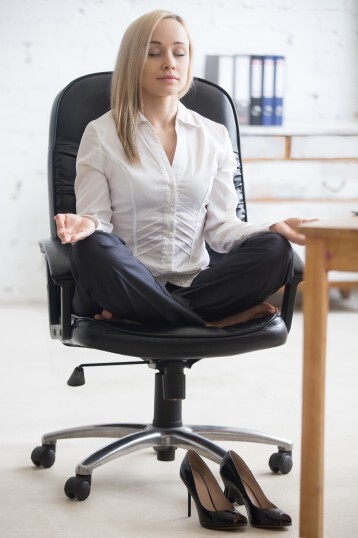
Gokhale Method: Process, Benefits, Techniques and Lifestyle Practices for Better Posture
Introduction
Good posture is an important part of maintaining physical comfort, mobility and overall well-being. However, modern lifestyles often encourage habits that place unnecessary strain on the body. Long hours spent sitting at desks, looking at mobile phones, driving and working on computers can influence the way people stand, walk and move. Over time, these habits may contribute to stiffness, discomfort and reduced body awareness.
The Gokhale Method is a posture and movement education approach developed by Esther Gokhale. It focuses on relearning movement patterns that its founder considers more natural and efficient. The method encourages people to become aware of spinal alignment, sitting positions, standing habits, bending movements and the way they use their bodies during everyday activities.
Rather than treating posture as something that can be corrected through occasional exercises alone, the Gokhale Method emphasises incorporating better movement habits into daily life. Its techniques include stretchlying, stacksitting, hip-hinging, tallstanding, primal posture and the inner corset.
Although some individuals find these techniques helpful for improving postural awareness and managing everyday discomfort, the method should not be considered a guaranteed treatment for back pain or spinal conditions. People with persistent pain or existing medical conditions should consult qualified healthcare professionals before beginning a new movement programme.
Gokhale Method
The Gokhale Method is a structured approach to improving posture through conscious changes in everyday movements. Developed by Esther Gokhale, it draws inspiration from observations of traditional communities where people often maintain different sitting, standing and resting habits from those commonly seen in modern urban environments.
The method encourages individuals to examine their habitual movements and understand how their posture influences physical comfort. It suggests that posture is not simply about standing straight but involves coordinated positioning of the spine, pelvis, shoulders, hips and other parts of the body.
One of its central ideas is that people can develop more comfortable movement habits by learning to use their bodies with greater awareness.
The method is generally taught through practical lessons and guided exercises. Participants learn techniques that can be applied while sleeping, sitting, standing, walking and performing household activities.
Its overall objective is to make improved posture a natural part of everyday living rather than an occasional exercise routine.
Understanding the Principles of the Gokhale Method
The Gokhale Method is based on several principles that influence the way people understand and practise posture.
The Concept of Evolved Posture
The concept of evolved posture is central to the Gokhale Method. Esther Gokhale observed people in different traditional communities and studied how their bodies were positioned during everyday activities.
She proposed that certain traditional postural patterns may offer useful lessons for modern movement habits.
The method encourages individuals to explore these patterns rather than automatically following common modern habits such as prolonged slouching, excessive arching of the lower back or rounded shoulders.
The idea is to develop comfortable and functional positions that allow the body to move naturally.
However, posture varies between individuals, and there is no single ideal position that is appropriate for everyone.
Understanding Spinal Alignment and Natural Curves
The spine supports the body, protects the spinal cord and allows a wide range of movements. Its natural curves help distribute mechanical loads and contribute to balance and flexibility.
The Gokhale Method emphasises awareness of spinal alignment and pelvic positioning. It encourages practitioners to understand how the pelvis, lower back, upper back and neck relate to one another.
Instead of forcing the back into a rigidly straight position, the objective is to develop comfortable alignment while maintaining the spine's natural curves.
Good spinal awareness can be particularly useful for people who spend long periods sitting or standing.
The Relationship Between Posture and Everyday Movement
Posture is not limited to sitting or standing. It influences activities such as walking, bending, lifting, cooking, gardening and carrying objects.
For example, bending forward repeatedly without considering hip movement may place additional demands on the lower back.
The Gokhale Method encourages individuals to develop greater awareness of how they move during these activities.
By practising coordinated movements, people may become more conscious of unnecessary tension and inefficient movement habits.
The Role of Body Awareness in Postural Improvement
Body awareness refers to understanding the position and movement of different body parts.
Many people are unaware that they habitually raise their shoulders, tilt their pelvis or bend their neck forward while working.
The Gokhale Method encourages individuals to observe these habits without becoming overly self-conscious.
Regular practice can help people recognise their usual positions and experiment with more comfortable alternatives.
Body awareness is also useful in other movement practices, including yoga, Pilates, Tai Chi and mindful walking.
Methodology and Core Techniques of the Gokhale Method
The Gokhale Method uses several techniques to encourage improved posture and movement awareness.
Stretchlying for Comfortable Spinal Alignment
Stretchlying is one of the foundational techniques of the Gokhale Method.
It involves lying on the back or side while gently lengthening the body. The intention is to encourage comfortable spinal positioning and reduce unnecessary muscular tension.
In back stretchlying, practitioners are taught to position their bodies comfortably and pay attention to the relationship between the pelvis, spine, shoulders and head.
The technique may also involve gentle elongation of the neck and lower back without forcing any movement.
Side stretchlying encourages awareness of body length and alignment while resting on one side.
The practice can be introduced during periods of rest, provided the position is comfortable.
People with shoulder, hip or spinal problems should seek professional advice about suitable positioning.
Stacksitting for Improved Sitting Posture
Stacksitting focuses on developing a more organised and comfortable sitting position.
The method encourages people to position the pelvis and spine in a way that supports the upper body without excessive muscular effort.
Instead of slumping forward or holding the shoulders rigidly backwards, practitioners learn to sit with awareness of their pelvic position, spinal alignment and head placement.
Some useful sitting practices include:
-
Keeping both feet comfortably supported.
-
Allowing the pelvis to settle into a comfortable position.
-
Avoiding prolonged slouching.
-
Relaxing the shoulders.
-
Keeping the head balanced rather than pushed forward.
-
Changing positions regularly.
The objective is to make sitting more comfortable, particularly during long working hours.
Hip-Hinging for Functional Bending Movements
Hip-hinging teaches individuals to bend from the hip joints rather than relying entirely on the lower back.
During the movement, the hips move backwards as the upper body inclines forward. The spine is maintained in a comfortable position.
This movement pattern is useful when picking up objects, gardening, cleaning and performing household tasks.
A simple way to understand hip-hinging is to imagine closing a door behind you with your hips while keeping your feet stable.
Practising the movement slowly can help develop coordination and body awareness.
When lifting heavier objects, individuals should also keep the object close to the body, avoid twisting under load and seek assistance when necessary.
Tallstanding for Upright Postural Awareness
Tallstanding is a technique that encourages awareness of upright posture.
It involves positioning the body comfortably while maintaining balance and avoiding unnecessary tension.
Practitioners pay attention to their feet, legs, pelvis, spine, shoulders and head.
The objective is not to stand stiffly or force the chest forward. Instead, the body should feel balanced and relaxed.
Tallstanding can be practised during everyday activities such as waiting in a queue, talking to someone or working in the kitchen.
Primal Posture for Natural Squatting Movements
Primal posture refers to a squatting position that resembles natural resting and working postures found in many traditional communities.
The Gokhale Method introduces this position as a way of exploring hip, knee and ankle mobility.
A comfortable squat requires coordination between the hips, knees, ankles and feet.
People can begin with a supported squat by holding a stable surface or using a suitable support.
The position should never be forced. Individuals with knee arthritis, hip replacements, balance difficulties or other mobility limitations should obtain professional guidance before attempting deep squats.
Inner Corset Technique for Trunk Support
The inner corset is a technique that encourages awareness and gentle engagement of the muscles around the trunk.
The Gokhale Method describes this as developing support through coordinated use of the abdominal and back muscles.
The intention is to encourage stability without holding the breath or excessively tightening the stomach.
Practitioners learn to maintain a sense of trunk support while sitting, standing and moving.
It is important to remember that abdominal muscles should not remain rigid throughout the day. Natural breathing and comfortable movement remain essential.
Process of Learning and Practising the Gokhale Method
Learning the Gokhale Method involves gradually understanding existing postural habits and developing alternative movement patterns.
Assessing Existing Posture and Movement Habits
The first step is to observe how the body is used during everyday activities.
Individuals can examine their sitting, standing, sleeping and walking positions.
For example, someone working at a computer may notice that their head moves forward and their shoulders become rounded.
Another person may discover that they habitually lock their knees while standing.
Recognising these patterns helps identify areas where greater awareness may be useful.
Learning Foundational Alignment Techniques
The next step is learning the foundational techniques, including stretchlying, stacksitting and tallstanding.
These movements are generally introduced gradually so that individuals can understand the principles before applying them to more complex activities.
Practising in front of a mirror or receiving feedback from an instructor may help improve awareness.
Practising Postural Awareness During Daily Activities
The method encourages people to apply what they learn throughout the day.
Rather than restricting practice to a particular exercise session, individuals are encouraged to become conscious of their movements while working, cooking, walking and resting.
Small adjustments made regularly may be easier to maintain than major changes introduced suddenly.
Applying Techniques While Sitting, Standing and Walking
Consistency is important when learning new movement patterns.
People can begin by practising comfortable sitting for a few minutes, followed by awareness of standing and walking.
While walking, they can observe their foot placement, balance, head position and general body coordination.
The aim is to develop relaxed movement rather than constantly monitor every part of the body.
Gradually Developing Consistent Movement Habits
Long-established habits may take time to change.
It is therefore useful to practise one or two techniques at a time.
For example, an individual might first concentrate on comfortable sitting and later introduce hip-hinging while performing household activities.
Progress should be measured through improved awareness and comfort rather than achieving a supposedly perfect posture.
Learning Under Guidance from a Qualified Instructor
A qualified Gokhale Method instructor can explain the techniques, observe movement patterns and provide individual feedback.
Guidance can be particularly helpful for people who have difficulty understanding pelvic positioning or spinal alignment.
Those with persistent pain, previous injuries or medical conditions should consult an appropriate healthcare professional before beginning the programme.
Frequently Asked Questions About the Gokhale Method
1. What are the core principles of the Gokhale Method?
The core principles include developing postural awareness, understanding spinal alignment, exploring the concept of evolved posture and improving everyday movement habits.
2. What are the common techniques used in Gokhale practice?
The six commonly discussed techniques are stretchlying, stacksitting, hip-hinging, tallstanding, primal posture and the inner corset.
3. Can the Gokhale Method improve posture?
The method aims to improve awareness of posture and encourage more comfortable movement patterns. Results vary between individuals, and it does not guarantee permanent postural correction.
4. Is the Gokhale Method different from yoga?
Yes. Yoga includes physical postures, breathing, flexibility and relaxation practices. The Gokhale Method focuses more specifically on posture education and movement habits during everyday activities.
5. Is professional guidance necessary?
Professional guidance can be helpful, especially when learning unfamiliar techniques. People with injuries, persistent pain or existing spinal conditions should obtain medical advice before starting.
Making Better Posture a Part of Everyday Life
Good posture is not about maintaining one rigid position throughout the day. It is about developing comfortable movement habits, maintaining balance and allowing the body to move naturally.
The Gokhale Method offers a structured way to explore posture through techniques such as stretchlying, stacksitting, hip-hinging and tallstanding. Its emphasis on applying postural awareness to ordinary activities makes it an interesting approach for people seeking to improve their movement habits.
Individuals can begin by observing how they sit, stand, walk and bend. Small adjustments, regular movement breaks and appropriate physical activity can contribute to a more comfortable lifestyle.
It is equally important to recognise individual differences. Age, physical ability and medical conditions influence the movements that are appropriate for each person. There is no universal posture that suits everyone.
Ultimately, the Gokhale Method can be explored as one component of a broader approach to physical well-being. When practised comfortably and consistently, posture education may help people become more aware of their bodies and make thoughtful movement choices. Combining this awareness with regular exercise, adequate rest and professional healthcare when necessary can support healthy ageing and everyday mobility.
We wish everyone all the best in leading a healthy life with appropriate physical activity.
By Jamuna Rangachari


Discussion (0)
No comments yet. Be the first to comment!
Leave a Comment
You need to login to post a comment.