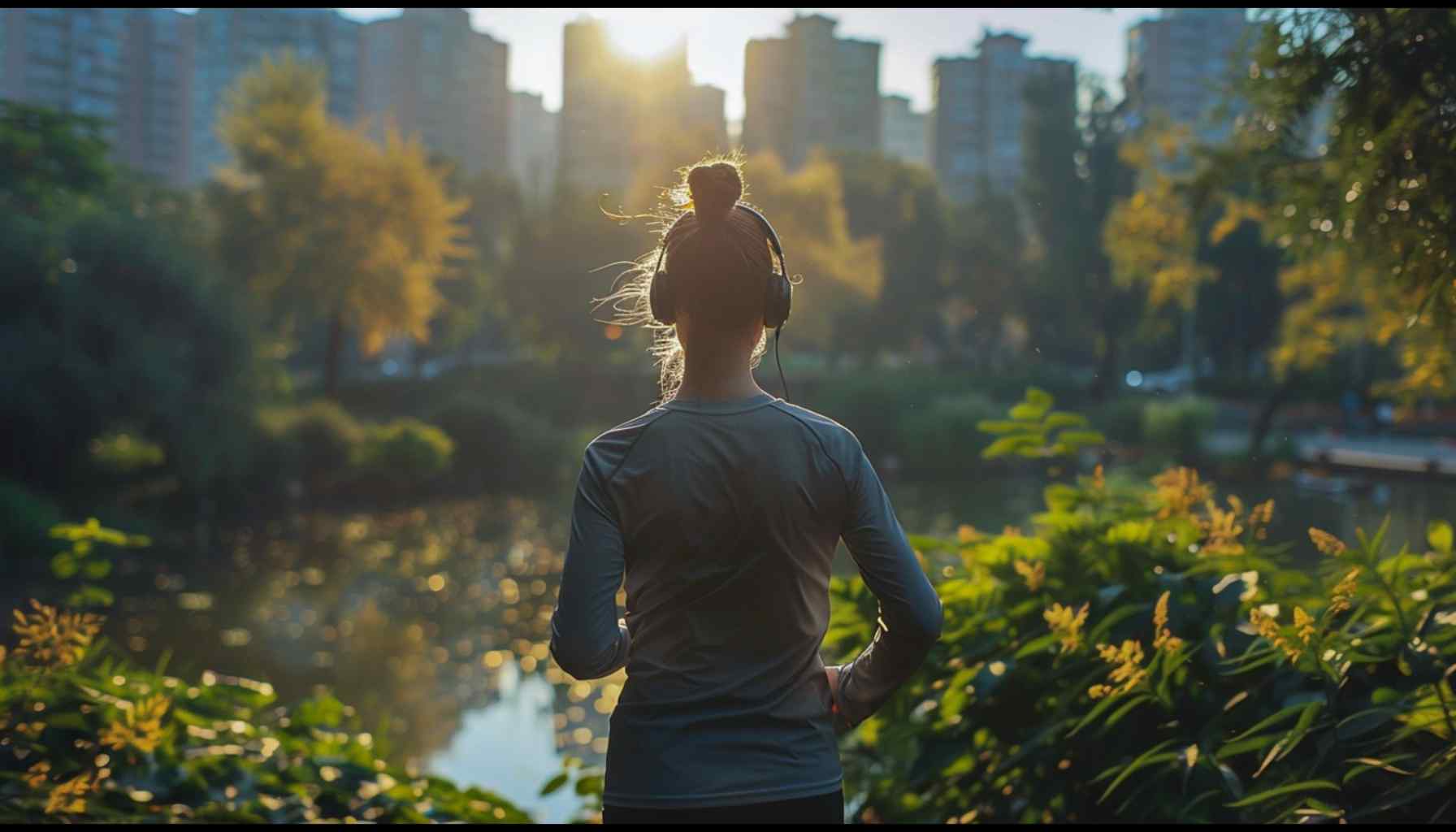
Disciplined Lifestyle: Process, Methodology, Benefits & Healthy Habits
Introduction
A disciplined lifestyle is not about following a rigid schedule, denying yourself enjoyment, or trying to control every aspect of daily life. Rather, discipline is the ability to create consistent, purposeful habits that support health, productivity, emotional balance and long-term personal goals. It helps people make thoughtful choices even when motivation is low.
Healthy discipline can be developed gradually. Simple actions such as maintaining regular sleep, eating balanced meals, exercising regularly, planning important tasks and setting reasonable digital boundaries can create a sense of structure. Over time, these behaviours can become natural parts of everyday life.
A sustainable disciplined lifestyle also leaves room for flexibility. Illness, travel, family responsibilities, work demands and unexpected events can disrupt routines. The goal is therefore not perfection but the ability to return to healthy habits after interruptions.
Disciplined Lifestyle
A disciplined lifestyle means organising everyday choices around priorities that matter. It involves deciding what deserves attention, establishing routines and following through with appropriate consistency.
Discipline can apply to many areas, including nutrition, physical activity, sleep, work, finances, relationships, personal development and emotional wellbeing. The specific routine will differ from person to person because lifestyle needs, responsibilities and abilities are different.
The healthiest approach combines structure with flexibility. A routine should provide direction without becoming so demanding that it creates unnecessary stress.
Understanding Discipline and Healthy Living
Discipline, Consistency and Self-Awareness
Discipline begins with self-awareness. Before changing habits, it is useful to understand current behaviour. A person might discover that late-night screen use affects sleep, irregular meals affect energy, or an unplanned schedule leads to procrastination.
Consistency then transforms intention into behaviour. Performing a small healthy action repeatedly is often more sustainable than attempting a major lifestyle transformation overnight.
Self-awareness also makes discipline more compassionate. Instead of judging yourself for missing a workout or eating an occasional unhealthy meal, you can examine what happened and make a practical adjustment.
Motivation Versus Sustainable Habits
Motivation can encourage people to begin a new routine, but motivation naturally fluctuates. Sustainable habits provide support when enthusiasm decreases.
For example, someone may feel highly motivated to exercise at the beginning of the year. After several weeks, work or family responsibilities may reduce that motivation. A simple routine—such as walking for 20 minutes on most days—may be easier to maintain than an intense exercise programme.
The objective is to create habits that are realistic enough to continue during ordinary, busy periods.
Structure, Routine and Personal Responsibility
A structured lifestyle reduces the number of decisions that must be made repeatedly. Fixed times for sleeping, meals, exercise or important work can make daily life more predictable.
Personal responsibility means recognising that daily choices contribute to long-term outcomes while also acknowledging circumstances beyond one's control. Discipline should encourage responsibility without becoming a source of guilt.
Disciplined Lifestyle Methodology
Assessing Current Habits and Priorities
Begin by observing your existing lifestyle. Consider sleep, nutrition, physical activity, work, leisure, relationships, screen use and stress.
Ask questions such as:
-
Which habits support my wellbeing?
-
Which habits regularly interfere with my goals?
-
Where do I lose the most time?
-
What activities are genuinely important to me?
-
Which change would provide the greatest practical benefit?
This assessment provides a starting point.
Setting Clear and Realistic Goals
Goals should be specific and achievable. Instead of saying, “I will become healthier,” establish a measurable intention such as walking regularly, improving meal quality or maintaining a consistent bedtime.
Large goals can be divided into smaller milestones. Achieving manageable targets creates confidence and makes progress easier to observe.
Creating Simple Daily Routines
A useful routine does not have to be complicated. A morning routine might include waking at a consistent time, drinking water, personal hygiene, gentle movement and reviewing the day's priorities.
An evening routine might include completing essential tasks, reducing screen exposure, preparing for the next day and allowing sufficient time for sleep.
Building Accountability and Tracking Progress
Tracking can increase awareness. A simple calendar, notebook or habit-tracking application can record behaviours such as exercise, sleep, meditation or reading.
Accountability may also come from a friend, family member, coach or professional. The purpose is support rather than pressure.
The Disciplined Lifestyle Process
Identifying Habits That Need Improvement
Choose a few habits rather than trying to change everything simultaneously. If sleep is poor, for example, improving the evening routine may be a useful first step.
Prioritizing Important Daily Actions
Identify the tasks that genuinely matter. Completing important activities early can prevent them from being repeatedly postponed.
A daily priority list might contain three essential tasks rather than a long list that becomes overwhelming.
Replacing Unhelpful Habits Gradually
Replacing a habit is often easier than simply trying to eliminate it. Someone who spends excessive time on social media might replace part of that period with reading, walking, conversation or another meaningful activity.
Gradual changes give the brain and body time to adapt.
Practicing Consistency Over Perfection
Missing one workout or having one unhealthy meal does not erase previous progress. Sustainable discipline means returning to the routine at the next reasonable opportunity.
Consistency over weeks and months is more important than perfect performance on individual days.
Reviewing Progress and Adjusting Routines
Review your routine regularly. If a particular habit repeatedly fails, examine whether the goal is unrealistic, the timing is inconvenient or the environment makes success difficult.
Adjustment is a normal part of developing discipline.
Benefits of a Disciplined Lifestyle
Better Time Management and Productivity
Planning helps people distinguish between important work and activities that simply consume time. A structured day can reduce unnecessary decision-making and improve concentration.
Improved Physical Health and Fitness
Regular physical activity, balanced nutrition and adequate sleep support overall health. Discipline helps these behaviours become routine rather than occasional efforts.
Greater Emotional Stability and Resilience
Predictable healthy routines can provide a sense of stability during stressful periods. Regular movement, sufficient rest, social connection and relaxation can support emotional wellbeing.
Discipline does not eliminate difficult emotions. Instead, it can help people respond to challenges more constructively.
Better Focus and Mental Clarity
Organised routines can reduce distractions and create periods for concentrated work. Limiting unnecessary notifications and digital interruptions may also improve attention.
Greater Confidence and Sense of Achievement
Following through on realistic commitments can strengthen self-trust. Completing small goals creates evidence that consistent effort can produce meaningful change.
Disciplined Nutrition and Eating Habits
Regular and Balanced Meals
Regular meals can help establish a predictable eating pattern. A balanced plate can include vegetables or fruits, whole grains or other carbohydrate sources, protein-rich foods and appropriate sources of healthy fats.
Meal requirements vary according to age, health status, activity level and individual needs.
Mindful Eating and Portion Awareness
Mindful eating involves paying attention to hunger, fullness, taste and eating speed. Eating without constant distraction can make it easier to notice the body's signals.
Portion awareness is different from extreme restriction. The aim is to develop a balanced relationship with food.
Nutrient-Dense Food Choices
Nutrient-dense foods provide valuable vitamins, minerals, protein, fibre and other nutrients. Vegetables, fruits, legumes, whole grains, nuts, seeds and appropriate protein sources can form important parts of a varied diet.
Dietary variety is generally more sustainable than depending on a small number of “perfect” foods.
Limiting Excessive Processed Foods and Added Sugar
Highly processed foods can be convenient, but frequent consumption of foods high in added sugars, salt or unhealthy fats may make it harder to maintain a balanced diet.
Discipline does not require completely eliminating favourite foods. Moderation and overall dietary quality are more practical long-term strategies.
Disciplined Exercise and Physical Activity
Consistent Daily Movement
Movement can be incorporated into ordinary life through walking, household activities, gardening, stretching or recreational activities.
Small amounts of movement accumulated throughout the day can be useful, particularly for people who spend long periods sitting.
Strength, Flexibility and Cardiovascular Exercise
A balanced fitness routine can include aerobic activity, strength exercises and flexibility or mobility work. The appropriate intensity depends on age, fitness level and health status.
People with medical conditions or significant physical limitations should seek appropriate professional guidance before beginning demanding exercise programmes.
Rest and Recovery Between Activities
Rest is part of a disciplined fitness routine. Muscles and the wider body need recovery, particularly after demanding exercise.
Adequate sleep, rest days and appropriate exercise intensity help prevent the routine from becoming unnecessarily exhausting.
Reducing Prolonged Sedentary Time
People who sit for long periods can introduce short movement breaks. Standing, walking briefly or stretching between extended periods of sitting can make the day more active.
Lifestyle Habits That Strengthen Discipline
Consistent Sleep and Wake Times
Maintaining relatively consistent sleep and wake times can support a stable daily rhythm. A calming bedtime routine and a comfortable sleep environment can also encourage better sleep habits.
Stress Management and Relaxation
Discipline should include recovery, not just productivity. Meditation, breathing exercises, yoga, hobbies, music, nature walks and quiet time can provide opportunities to relax.
The most effective approach varies between individuals.
Digital Boundaries and Screen-Time Management
Technology is useful, but constant notifications can fragment attention. Turning off unnecessary notifications, creating screen-free periods and avoiding excessive late-night scrolling can support healthier routines.
Personal Organization and Planning
Simple organisational habits can reduce daily confusion. Preparing clothes, meals or work materials in advance can make the following day easier.
A weekly planning session can also help coordinate appointments, exercise, household responsibilities and personal time.
Meaningful Social Connection and Recreation
Discipline should not mean constant work. Relationships, recreation and enjoyable activities are important parts of a balanced life.
Time spent with family and friends can provide emotional support and a sense of belonging.
Building a Sustainable Daily Routine
Morning and Evening Routines
A morning routine can establish direction for the day. It might include hydration, movement, personal care, breakfast and reviewing priorities.
An evening routine can help transition from activity to rest. Preparing for the following day can reduce morning stress.
Daily Priorities and Time Blocking
Time blocking involves allocating specific periods for important activities. For example, a person might reserve the morning for focused work, the afternoon for meetings and a later period for exercise or family time.
The schedule should contain realistic gaps for unexpected responsibilities.
Habit Stacking and Environmental Cues
Habit stacking involves attaching a new behaviour to an existing routine. For example, a person might practise a few minutes of breathing after brushing their teeth.
Environmental cues can also help. Keeping walking shoes near the door may encourage walking, while placing the phone outside the bedroom may reduce late-night screen use.
Weekly Reflection and Routine Adjustments
At the end of each week, consider:
-
What worked well?
-
What was difficult?
-
Which habit improved?
-
What caused disruptions?
-
What adjustment could make next week easier?
This turns discipline into an ongoing learning process.
Overcoming Barriers to Lifestyle Discipline
Procrastination and Lack of Motivation
Breaking a task into a very small first step can make it less intimidating. Instead of committing to an hour of exercise, for example, start by putting on exercise clothes and taking a short walk.
Action can sometimes create motivation rather than waiting for motivation to appear first.
All-or-Nothing Thinking
Thinking “I missed one day, so I have failed” can undermine progress. Healthy discipline allows for imperfect days.
A flexible approach might be: “Today did not go according to plan; what is the smallest useful action I can take now?”
Managing Setbacks Without Giving Up
Travel, illness, family emergencies, workload and emotional difficulties can interrupt routines. During such periods, maintaining a simplified version of the routine may be sufficient.
Once circumstances improve, gradually return to normal activities.
Balancing Discipline With Flexibility
A disciplined lifestyle should leave room for celebrations, holidays, spontaneous activities and rest.
Rigid control can become counterproductive. Healthy discipline is better understood as a framework that supports life rather than a system that restricts it.
Creating Long-Term Lifestyle Discipline
Starting With Small Consistent Changes
Choose one or two habits initially. For example, establish a consistent bedtime and introduce a daily walk before adding several other goals.
Small successes can provide momentum for further changes.
Tracking Habits and Milestones
Habit tracking can reveal patterns. A monthly review may show that exercise is consistent on weekdays but difficult on weekends, allowing the routine to be redesigned accordingly.
Milestones can also be celebrated without turning progress into competition.
Maintaining Healthy Routines During Life Changes
Life circumstances change. Retirement, a new job, travel, family responsibilities or relocation can disrupt established routines.
Instead of trying to preserve every detail, retain the underlying principles: adequate sleep, nutritious food, movement, meaningful activity, social connection and personal time.
Building Discipline Around Personal Values
Discipline becomes more meaningful when connected to personal values. Someone who values family may prioritise regular family time. Someone who values learning may reserve time for reading or study.
When habits reflect personal values, they are less likely to feel like arbitrary rules.
Frequently Asked Questions
Daily Habits for a Disciplined Lifestyle
Useful daily habits include waking and sleeping at relatively consistent times, eating balanced meals, staying physically active, planning priorities, taking breaks, managing screen time and allowing time for relaxation and relationships.
The goal is not to perform every habit perfectly every day but to establish a healthy overall pattern.
Discipline and Healthy Lifestyle Changes
Discipline can make healthy lifestyle changes more sustainable by turning intentions into repeated actions. However, discipline should not involve extreme dieting, excessive exercise or self-punishment.
A healthy routine should support physical and emotional wellbeing.
Building Consistency With New Habits
Start with a behaviour that is small and specific. Attach it to an existing routine and repeat it regularly.
For example, five minutes of stretching after waking may be easier to establish than an ambitious one-hour exercise programme.
Maintaining Discipline Long Term
Long-term discipline depends on realistic goals, flexibility and periodic review. Make healthy behaviours convenient, track progress when useful and adjust routines when circumstances change.
If a routine becomes unnecessarily difficult, redesign it rather than abandoning the entire goal.
Building a Balanced and Disciplined Way of Life
A disciplined lifestyle is ultimately about creating a supportive relationship with daily habits. It combines intention with action, structure with flexibility and responsibility with self-compassion.
Healthy discipline can begin with simple choices: going to bed at a reasonable time, eating nourishing food, moving regularly, planning important tasks, taking meaningful breaks and maintaining relationships. These actions may appear small, but repeated consistently they can shape the character of everyday life.
The purpose of discipline is not to create a rigid existence. It is to make space for what matters most. When routines are realistic, adaptable and connected to personal values, discipline becomes less about forcing yourself to follow rules and more about making choices that support your wellbeing and long-term goals.
We wish you all the best in building a discliplined lifestyle.
By Jamuna Rangachari

Discussion (0)
No comments yet. Be the first to comment!
Leave a Comment
You need to login to post a comment.