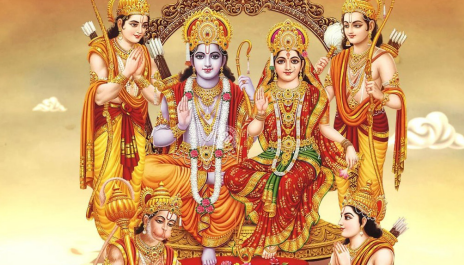
What can we learn from Lord Ram
Lord Ram, or Rama, is not just a historical or mythological figure; he is considered a Maryada Purushottam – the "Perfect Man" or the "Ideal Being",
Here are some of the most significant ones, structured by the key phases of his life.
1. Adherence to Dharma (Righteous Duty)
This is the cornerstone of Ram's life. For him, Dharma (righteousness, duty, moral order) was not a theoretical concept but a lived reality.
-
Duty over Desire: The most defining example is his decision to go into exile for 14 years. As the crown prince, he had every right to the throne, but when his father, King Dasharatha, was bound by a promise to his wife Kaikeyi, Ram accepted the exile without a moment's anger or resentment. He prioritized his duty as a son (to uphold his father's word) and his duty as a king-in-waiting (to respect the kingdom's laws and his father's command) over his personal desire for the throne and a comfortable life.
-
Modern Lesson: This teaches us to place responsibility and duty above personal ambition and comfort. It's about understanding our roles (as a child, parent, professional, citizen) and acting in accordance with what is right, even when it’s personally costly.
2. Resilience in the Face of Adversity
Ram's life was a series of profound challenges, and his response to each is a masterclass in resilience.
-
Acceptance without Bitterness: From the sudden loss of his kingdom to the kidnapping of his wife, Sita, Ram faced immense suffering. He didn't succumb to self-pity or despair. He accepted the situation, analyzed it, and took decisive action. His sorrow never turned into cynicism or hatred, even towards those who wronged him (like Kaikeyi) or his enemies (he grieved for the fallen Ravana).
-
Modern Lesson: Life is unpredictable and often unfair. Ram teaches us to face hardships with courage, composure, and a clear mind. He shows us that it's possible to be strong without being bitter.
3. The Essence of Ethical Leadership
Ram's rule, Ram Rajya, is considered the ultimate model of good governance.
-
Putting the People First: When a citizen questioned Sita's purity during her captivity in Lanka, Ram, as a king, felt the weight of his people's opinion. Though it was a heartbreaking decision, he felt his dharma as a king to uphold the moral standards of his kingdom. This act, while deeply tragic, exemplifies the heavy burden of leadership where the leader's personal life is not separate from his public duty.
-
Modern Lesson: True leadership is not about power, but about accountability. A leader's primary duty is to the well-being and trust of the people they serve. It demands sacrifice and the willingness to put the collective good above personal happiness.
4. The Power of Loyalty and Building Relationships
Ram’s life demonstrates how to build and nurture powerful, respectful relationships.
-
With Sita (Equality and Respect): He didn't treat Sita as a possession. He respected her strength. When she insisted on accompanying him to the forest, he tried to dissuade her, but when he saw her resolve, he honored it. Their relationship is a model of partnership based on mutual respect and shared values.
-
With Lakshmana (Brotherly Devotion): Lakshmana's devotion is legendary, but it was earned by Ram's love, trust, and respect. He treated Lakshmana not as a servant, but as an equal and a pillar of strength. Their bond shows the power of selfless service and unwavering support within a family.
-
With Hanuman & Vibhishana (Merit over Ego): Ram accepted help from a "monkey" (Hanuman) and an enemy's brother (Vibhishana) based purely on their merit and devotion, showing that he valued ability and righteousness over social status, species, or allegiance.
-
Modern Lesson: Build relationships based on respect, trust, and shared values. Value people for their character and abilities, not their background.
5. Mastery Over the Self (Control of Senses and Emotions)
A central theme of the Ramayana is the battle between Ram (self-control, order) and Ravana (unbridled desire, ego).
-
Emotional Intelligence: Ram felt the full range of human emotions—grief at losing his kingdom, anguish over Sita's kidnapping, rage against Ravana. But he never let these emotions control his actions. He acted with a calm, strategic mind. He was angry at the act, not consumed by rage.
-
Walking the Talk: He was a Kshatriya (warrior) who knew when to fight, but also a sage who knew when to be calm. His life is a testament to the idea that the greatest conquest is the conquest of one's own ego, desires, and impulses.
-
Modern Lesson: True strength lies in self-mastery. We can learn to experience strong emotions without being ruled by them. This allows for better decision-making, healthier relationships, and inner peace.
6. The Complexity of Idealism and the Human Cost
This is perhaps the most nuanced and contemporary lesson. Ram is an ideal, but his story doesn't shy away from the human cost of adhering so strictly to dharma.
-
The Tragedy of Sita: His decision to abandon a pregnant Sita to the forest, to appease the gossip of his subjects, is one of the most debated episodes. While it demonstrates his commitment to his dharma as a king, it also shows the immense personal and familial sacrifice that such a rigid adherence to public duty can demand.
-
Modern Lesson: This part of the story invites us to think critically about idealism. It asks difficult questions: When does the pursuit of an ideal become inhumane? What is the balance between public duty and personal compassion? It teaches us that even the most righteous path can involve difficult, heartbreaking choices, and that leadership can be a lonely burden.
Conclusion
What we can learn from Lord Ram is not a single lesson, but a holistic framework for living. He is a model not because he was a perfect being with no flaws, but because he was a human being who constantly strived to uphold his values in a complex and often cruel world. His life is a guidebook for all.
By Jamuna Rangachari


.jpg)
Discussion (0)
No comments yet. Be the first to comment!
Leave a Comment
You need to login to post a comment.