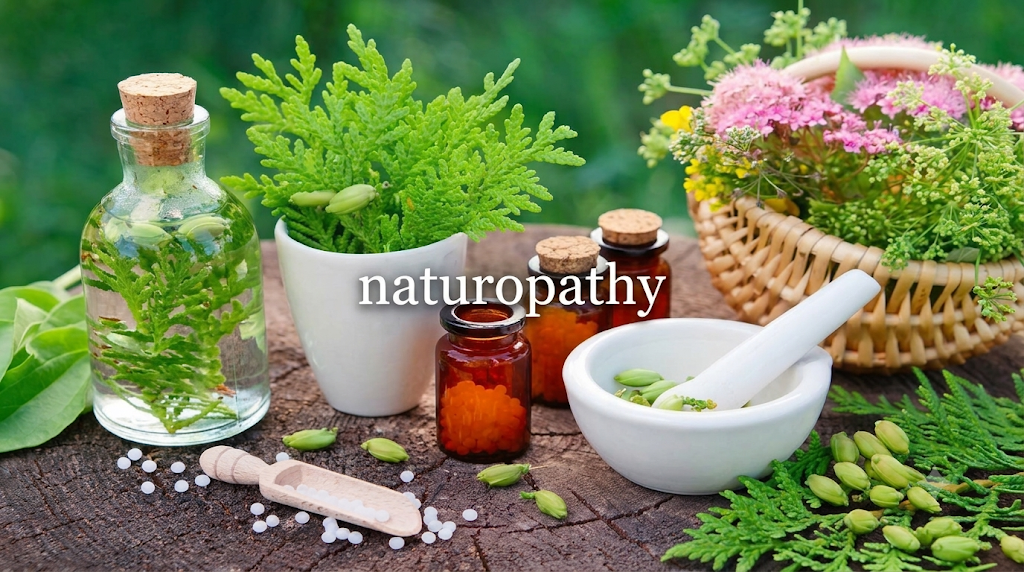
Naturopathy Explained: Theories & Therapies
Naturopathy is a system of care built on the belief that the body can heal itself when it's given the right conditions. Instead of focusing on a single symptom, practitioners look at diet, lifestyle, stress and environment together. It's popular with people who want a more personal, preventive approach to health, but it also raises fair questions about evidence, training and safety. This guide gives you a clear, balanced overview.
Key Takeaways
- A complementary approach: Naturopathy works alongside medical care and doesn't replace it.
- Mixed evidence: Some therapies are well studied, while others have little reliable research.
- Qualifications matter: Training and regulation differ widely, so check a practitioner's credentials.
What Is Naturopathy and How Does It Work?
Naturopathy is an approach to healthcare that uses natural processes and non-invasive methods to help patients get healthy again. It has its origins dating back to the 16th and 17th centuries in Europe, where water treatments, herbalism, and others prevailed. The system was later developed into a profession by North America, becoming the modern naturopathic medicine that was brought into India by an Indian doctor who was educated by European naturopaths. The practice can be found in various nations having varying laws for naturopathy.
There are seven principles which underlie the profession of naturopathy. These include first, do no harm; second, the healing power of nature; third, identify and treat causes; fourth, treat the whole person; fifth, doctor as teacher; sixth, prevention; and seventh, wellness. In action, naturopathy involves long consultations, educating on habits and individualized treatment.
Common Naturopathic Therapies
Naturopathic care is multi-modal, meaning practitioners combine several approaches. The most common include:
- Nutrition and diet advice: Emphasis on fresh, minimally processed food and regular eating habits.
- Herbal medicine: Plant-based remedies used to support specific body systems.
- Hydrotherapy: Using water, such as hot and cold compresses, to influence circulation and comfort.
- Physical therapies: Massage, acupressure and similar hands-on techniques.
- Lifestyle and stress counselling: Sleep, movement, breathing and relaxation strategies.
- Homeopathy: Highly diluted preparations. Scientific reviews have generally not found reliable evidence that these work beyond placebo.
Some practitioners add training in acupuncture or other skills, depending on where they work and what local rules allow.
Naturopathic Theories: The Ideas Behind the Practice
Beyond its guiding principles, naturopathy draws on several traditional theories. They shape how practitioners think about illness and plan care, though they are frameworks for reasoning, not proven scientific laws.
- Humoral theory: This is an ancient concept derived from the traditional European medicine system and which emphasizes that a balance between body fluids and constitutional dispositions is important for health. Currently, it mainly guides practitioners' understanding of patient individuality.
- Therapeutic order: According to this theory, one needs to begin treatment with the mildest interventions like dieting, sleeping and stress management and apply increasingly stronger interventions if necessary. This theory is among the most commonly taught theories and is very compatible with modern preventative medicine.
- Emunctory theory: An emunctory is the body's route of elimination of wastes and includes the skin, kidney, bowel, lungs, and liver. According to this theory, maintaining emunctories enables the body to stay healthy. Be careful when hearing about any claim regarding "detox" therapy as body eliminates wastes through these systems and extra therapies have no proven added benefit.
- Theory of complex systems: This view treats the body as a web of interacting systems rather than separate parts, so a problem in one area may affect others. It echoes the holistic idea that symptoms and causes are often connected.
Is Naturopathy Safe?
For many people, the lifestyle-focused parts are low risk. A few simple safeguards help:
- Tell your doctor about any naturopathic care, herbs or supplements you use.
- Never stop prescribed medicine without medical advice.
- Be wary of any practitioner who discourages vaccination or conventional treatment.
- Check with your doctor before fasting, especially if you're pregnant, have diabetes or take regular medication.
How to Choose a Qualified Practitioner
Standards vary by country. Some places license naturopaths by law, while others rely on voluntary certification, and some have no regulation at all. Before booking:
- Ask about training: Look for formal education from a recognized program, and check how many hours it covered.
- Check registration: Confirm membership in a professional body or a government register where one exists.
- Ask about insurance and ethics codes: Reputable practitioners follow written standards.
- Expect clear communication: You should get honest explanations of risks, costs and limits.
- Look for collaboration: A good practitioner is willing to work with your doctor.
Who Might Benefit from Naturopathy?
For those who seek assistance in developing more positive habits, coping with stress, or dealing with insomnia, the educational component may come in handy. The method may also appeal to individuals who prefer a more delicate approach towards everyday care. It is certainly not a wise approach to be used alone as the treatment for cancer, heart disease, infectious diseases, psychological disorders, and other emergencies.
Final Thoughts
Naturopathy may be helpful in the development of more positive habits and taking an active role in your care. It should be approached with the appropriate level of healthy skepticism and in consultation with your doctor.
FAQs
1. What is naturopathy used for?
People use naturopathy mainly to support general wellbeing, improve diet and lifestyle habits and manage everyday concerns such as stress, digestion or low energy. It isn't a replacement for treatment of serious disease.
2. What is the difference between a naturopath and a doctor?
Medical doctors complete regulated medical training and can diagnose and treat disease with conventional methods. Naturopaths use natural and lifestyle-based therapies, and their training and legal scope differ by country. Always check credentials locally.
3. What happens at a naturopathy appointment?
You'll discuss your health history, habits and goals in detail, and may have some tests. You'll then receive a personalized plan, often covering diet, lifestyle changes and sometimes herbs or hands-on therapies.
4. Does naturopathy really work?
Its lifestyle advice is well supported, while the evidence for specific treatments varies from solid to weak. It works best as a complement to medical care.
Also Read: Types of Naturopathy
By Umesh Kumar Khiri


Discussion (0)
No comments yet. Be the first to comment!
Leave a Comment
You need to login to post a comment.