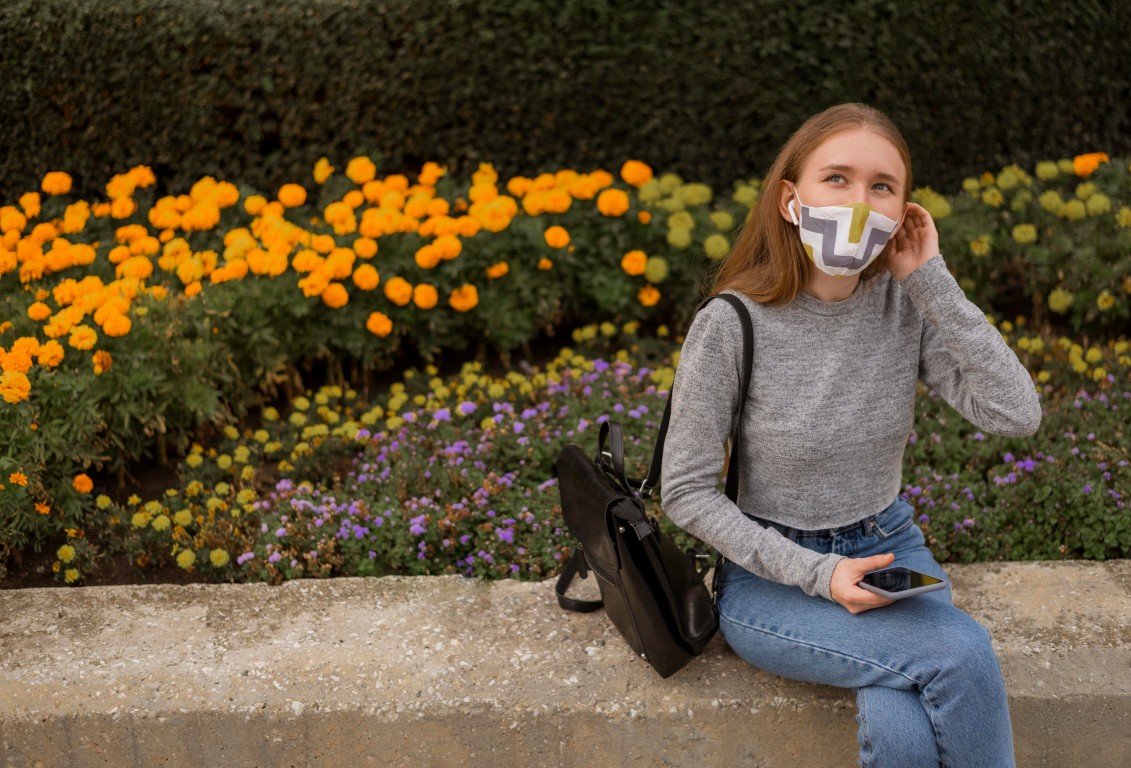
Living healthily in polluted environments
This is a crucial topic, as avoiding pollution entirely isn't an option for most city dwellers. The goal shifts from avoiding all harm to building resilience and reducing cumulative exposure.
Here is a practical, evidence-based guide to living healthily in polluted environments, focusing on what you can control.
1. Master Your Indoor Sanctuary (Where you spend 90% of your time)
Since you can't easily change outdoor air, make your indoor air cleaner than the outside.
Use High-Efficiency Air Purifiers: Get a HEPA (High-Efficiency Particulate Air) + activated carbon filter unit. The carbon is vital for removing gases like VOCs and NO2, not just particles. Size it for your room (e.g., CADR rating).
Create a "Clean Room": Seal off one bedroom or living area. Keep windows closed during high pollution hours (rush hour, early morning inversions). Use draft stoppers on doors.
DIY Option: A "Corsi-Rosenthal Box" (4 furnace filters taped to a box fan) is a shockingly effective, low-cost air purifier.
Stop Creating Indoor Pollution: Avoid incense, candles, air fresheners, frying foods without ventilation, and gas stoves (use an exhaust fan that vents outside, not recirculating). Vacuum with a HEPA-filter vacuum.
2. Optimize Your Body's Internal Defense System
Pollutants cause harm primarily through inflammation and oxidative stress. Your diet and lifestyle are your first line of defense.
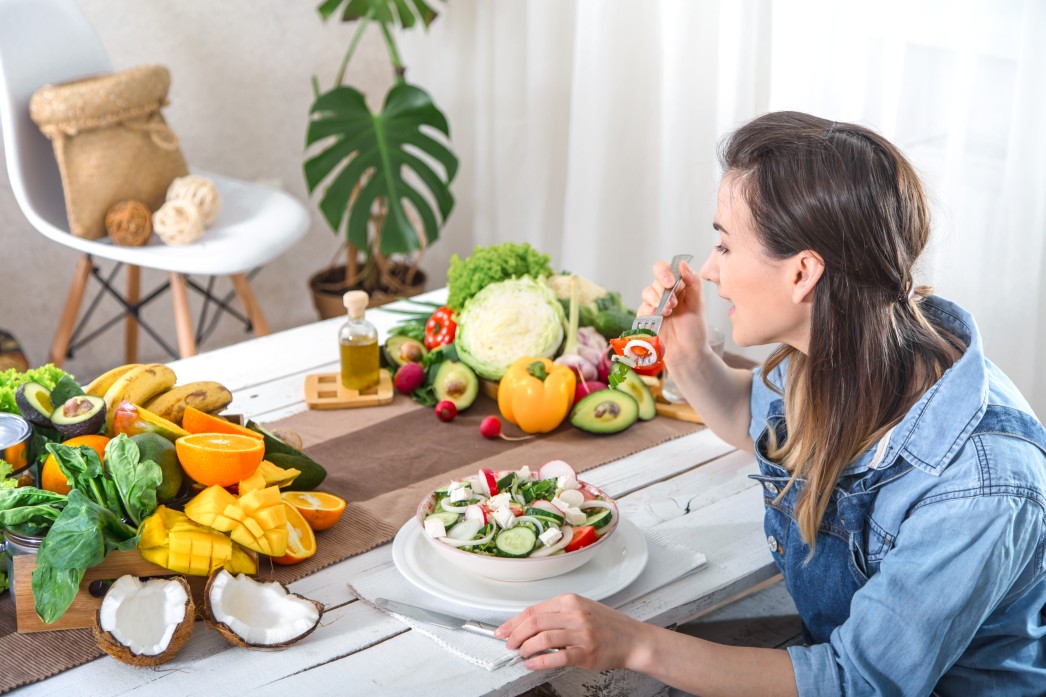
Eat an Antioxidant-Rich "Anti-Pollution" Diet:
Cruciferous Vegetables (Broccoli, Brussels sprouts, kale): Rich in sulforaphane, which boosts the body's Phase II detoxification enzymes (especially for benzene and acrolein found in exhaust).
Vitamin C & E: Work as a team. C (citrus, bell peppers, kiwi) helps regenerate E (nuts, seeds, avocados). They combat the oxidative burst from PM2.5.
Omega-3 Fatty Acids (Fatty fish, flaxseeds, walnuts): Reduce the inflammatory response to particulate matter. Studies show they can blunt the negative cardiovascular effects of PM2.5.
Turmeric & Ginger: Potent anti-inflammatories that inhibit the NF-kB pathway triggered by pollutants.
Stay Hydrated: Water helps your kidneys and mucous membranes flush out particles and irritants.
Support Your Body's Exit Pathways:
Fiber (Oats, beans, apples): Binds to pollutants that have been processed by the liver and excreted in bile, preventing their reabsorption in the gut.
Sweat (Sauna or Exercise): Some heavy metals and toxins (like cadmium from cigarette smoke/industrial pollution) are excreted in sweat. A low-heat sauna or a good sweat from indoor exercise can help.
3. Be Smart About Outdoor Exposure (Risk Reduction)
You don't need to hide inside 24/7. You just need a strategy.
Check AQI (Air Quality Index) in Real Time: Use apps like AirVisual (IQAir) or BreezoMeter. Plan your day around it.
AQI 0-50 (Green): Perfect. Go wild.
AQI 51-100 (Yellow): Moderate. Sensitive people reduce long outdoor exertion.
AQI 101-150 (Orange): Unhealthy for sensitive groups. Limit time outside. Mask up if exercising.
AQI 151+ (Red - Maroon): Unhealthy to Hazardous. Stay inside. Close windows. Run purifiers. Reschedule all outdoor activity.
Time Your Activities: Pollution peaks during morning rush hour (6-9am) and evening (5-8pm) and on calm, windless days. Exercise outdoors in the early afternoon when wind disperses pollutants.
Choose Your Route Wisely: Walk on side streets, not main roads. A single busy road can have 2-5x higher PM2.5 than the park one block away. In cities, walk on the upwind side of the street.
Use a Respirator Mask (Correctly): Cloth and surgical masks are mostly useless for PM2.5. You need N95, KN95, or FFP2. Ensure a perfect seal (no gaps at nose or cheeks). They work very well for short-term use during commutes.
4. Reinforce Your Mucosal Barriers
Your nose, eyes, and throat are the entry points.
Nasal Saline Rinse (Neti Pot or Spray): Flushing your nasal passages after a high-pollution day physically clears out trapped particles and reduces inflammation. Use distilled/boiled water only.
Barrier Nasal Spray: Products like Xlear (xylitol) or SinuSoothe create a microscopic gel barrier over your mucosa to trap pollutant particles before they absorb.
Lubricate Eyes: Use preservative-free artificial tears to wash out particulate matter that causes irritation.
Shower & Change Clothes: When you come home, especially on high-AQI days, shower and put on clean indoor clothes. Pollutant particles stick to hair and fabric.
5. Exercise Smarter, Not Harder
Exercise is still vital. But heavy breathing in bad air amplifies harm.
Indoor Alternatives: Switch to indoor cycling, HIIT in a room with an air purifier, yoga, or a gym with good HVAC filtration.
Low-Pollution Hours for Outdoor Exercise: Dawn (after traffic settles) or after a heavy rain (which washes pollutants out). Avoid the evening inversion layer (sundown).
Pacing is Protection: If you must exercise outside on a moderate day, a brisk walk is far safer than a run. Running increases your breathing rate 5-10x, drawing in much more pollution deep into your lungs.
Crucial Mindset Shift: "Harm Reduction"
You cannot achieve zero risk. Don't let the perfect be the enemy of the good.
A person who walks to work on a 120 AQI day with an N95 mask is doing 90% better than someone who does nothing.
The small amounts of pollution you inhale during a brief commute are dwarfed by the pollution you inhale inside a closed room with a gas stove or incense.
Living a healthy, active life with managed pollution exposure is far better for your long-term health than becoming sedentary and indoors due to fear.
When to go above and beyond: If you have asthma, COPD, heart disease, or are pregnant, follow the AQI guidelines strictly and consult your doctor about an "action plan" for bad air days.
The healthiest person in a polluted city isn't the one who never goes outside. It's the one who cleans their indoor air, eats broccoli, wears a good mask on the subway, and knows when to hit the indoor gym instead of their morning run. You have immense power here. Use it.
By Jamuna Rangachari

Discussion (0)
No comments yet. Be the first to comment!
Leave a Comment
You need to login to post a comment.