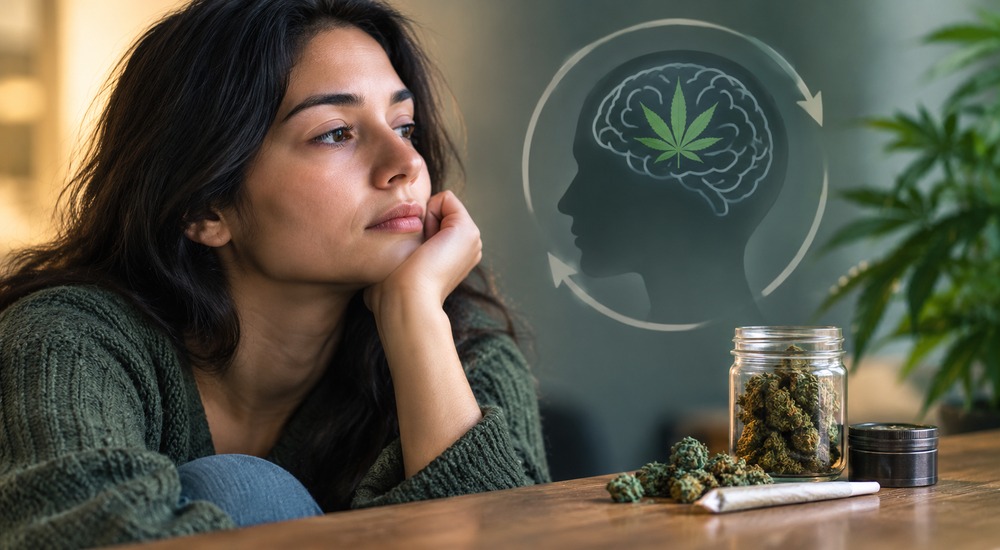
Can Cannabis Use Become a Behavioural Habit? Understanding Compulsive Patterns Beyond Chemical Dependence
Yes, it can, even if you never notice withdrawal. Cannabis use disorder is a recognised problematic pattern of use that causes distress or affects your life, and it sits on a spectrum from mild to severe. A familiar evening ritual doesn't make you disordered; what matters is whether you still have a choice. If you use cannabis to unwind, sleep, or soften difficult feelings, this article offers a non-judgemental way to recognise loss of control and to choose practical changes or professional support, without trying to diagnose yourself.
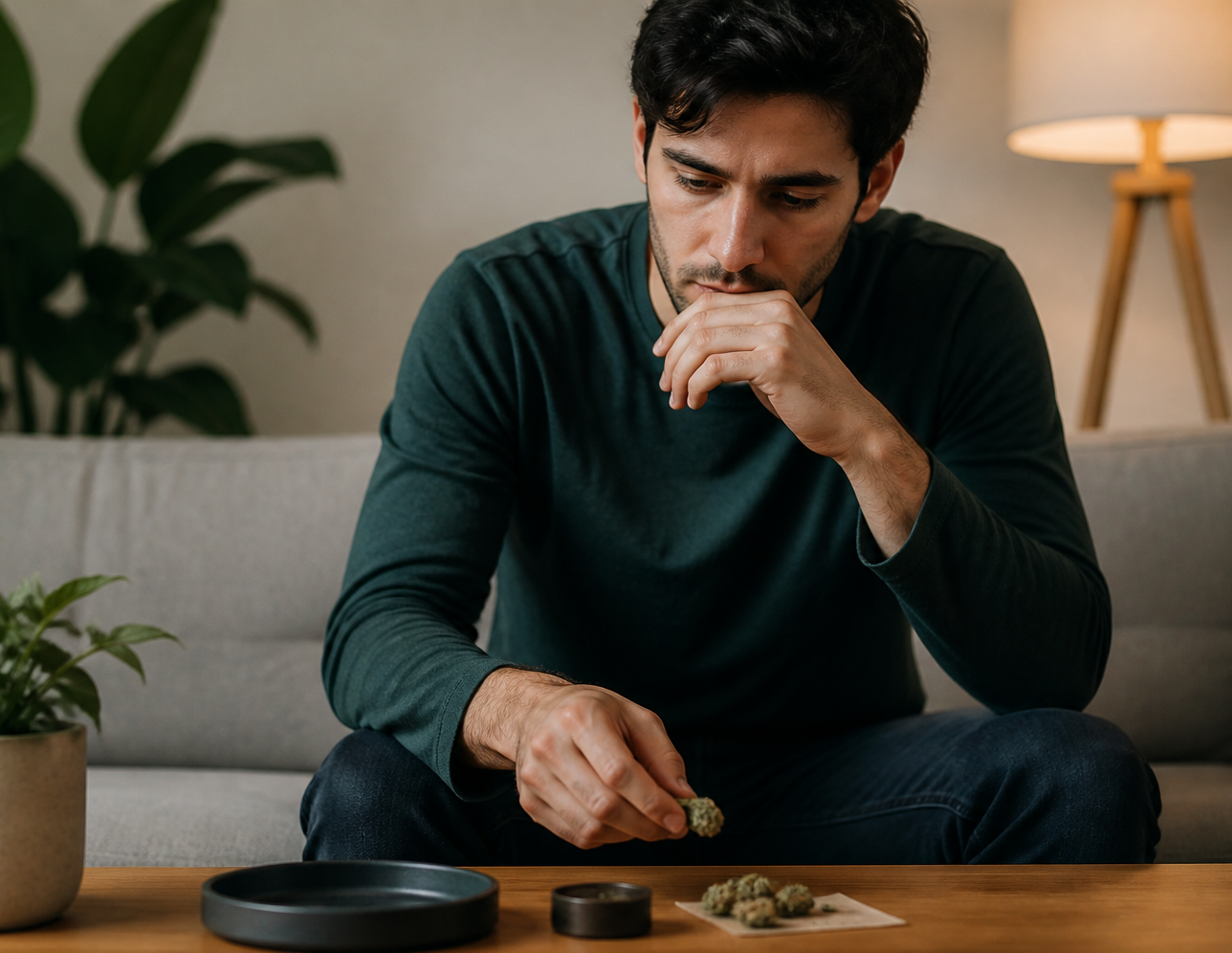
Can Cannabis Use Become a Behavioural Habit? Understanding Compulsive Patterns Beyond Chemical Dependence
How coping habits can overlap with cannabis use disorder
Habits tend to run on a loop: a cue, the use, then short-term relief. The cue might be tension after work, the approach of bedtime or an uncomfortable emotion, and because cannabis seems to ease it, the relief teaches the mind to reach for it again until using feels increasingly automatic. Plenty of people have a routine without a problem, so the loop alone isn't the issue. It becomes concerning when it starts to override your intentions.
It helps to be precise about terms. Cannabis use disorder is a substance use disorder, not a non-substance addiction, and although physical dependence can occur, neither tolerance nor withdrawal is required for use to be problematic or for a diagnosis. That means the absence of withdrawal doesn't rule out harm. Clinical overviews make the same point: the disorder isn't just frequent use, but loss of control, cravings, compulsive behaviour and negative consequences.
Comparing it with gambling disorder can clarify the pattern without blurring the diagnoses. Both can involve urges, short-term reward or relief, difficulty stopping, and persistence despite harm, but gambling disorder is a behavioural addiction and involves no substance at all. If you'd like general background on how non-substance addictions work in a similar way to the loop described above, such as with gambling, Calm Rehab's guide is optional further reading, though it isn't evidence for cannabis-specific claims.
A gentle self-check: is cannabis narrowing your choices?
Frequency alone tells you little. A more useful question is whether cannabis remains a flexible choice or increasingly overrides what you meant to do. Consider these prompts:
1. Am I using more than I intended, or for longer?
2. Have my attempts to cut down or stop not worked?
3. Do I feel unable to cope with stress, sleep or emotions without it?
4. Am I organising my day around opportunities to use?
5. Am I continuing despite effects on relationships, responsibilities or wellbeing?
These are prompts for reflection and conversation, not a scored test or a diagnostic checklist, and only a qualified professional can assess whether a disorder is present. You don't need a label to take your own concerns seriously, and a yes to even one question deserves gentle attention.

A gentle self-check: is cannabis narrowing your choices?
Choose one practical change, and know when to seek support
Start by noticing. For a week or two, jot down your triggers, the emotion beneath them, how much you meant to use and how much you did, the relief you felt, and any later effects on sleep, mood or responsibilities. The aim is to understand the pattern, not to criticise yourself.
Then change one cue-linked routine. If you always use as soon as you get home, try a walk first or build a different wind-down ritual, matching the alternative to the need: movement for tension, talking to someone for emotional distress, a consistent bedtime routine for sleep. Mindfulness can help as a supporting skill, since pausing to notice and name the urge or feeling before you respond gives you a little room. It isn't a cure, a test of willpower or a substitute for care, so involve someone you trust.
Seek an assessment from a qualified health or addiction professional if repeated attempts to change fail or harm develops, and feel free to ask earlier. They can look at both your cannabis use and any underlying sleep or emotional difficulties, and residential treatment isn't automatically the answer. Reducing regular use may bring disturbed sleep, irritability or cravings, so professional guidance is better than improvising a detox alone.
Today, choose one step: record a trigger, try a different evening routine, or book that appointment.


Discussion (0)
No comments yet. Be the first to comment!
Leave a Comment
You need to login to post a comment.