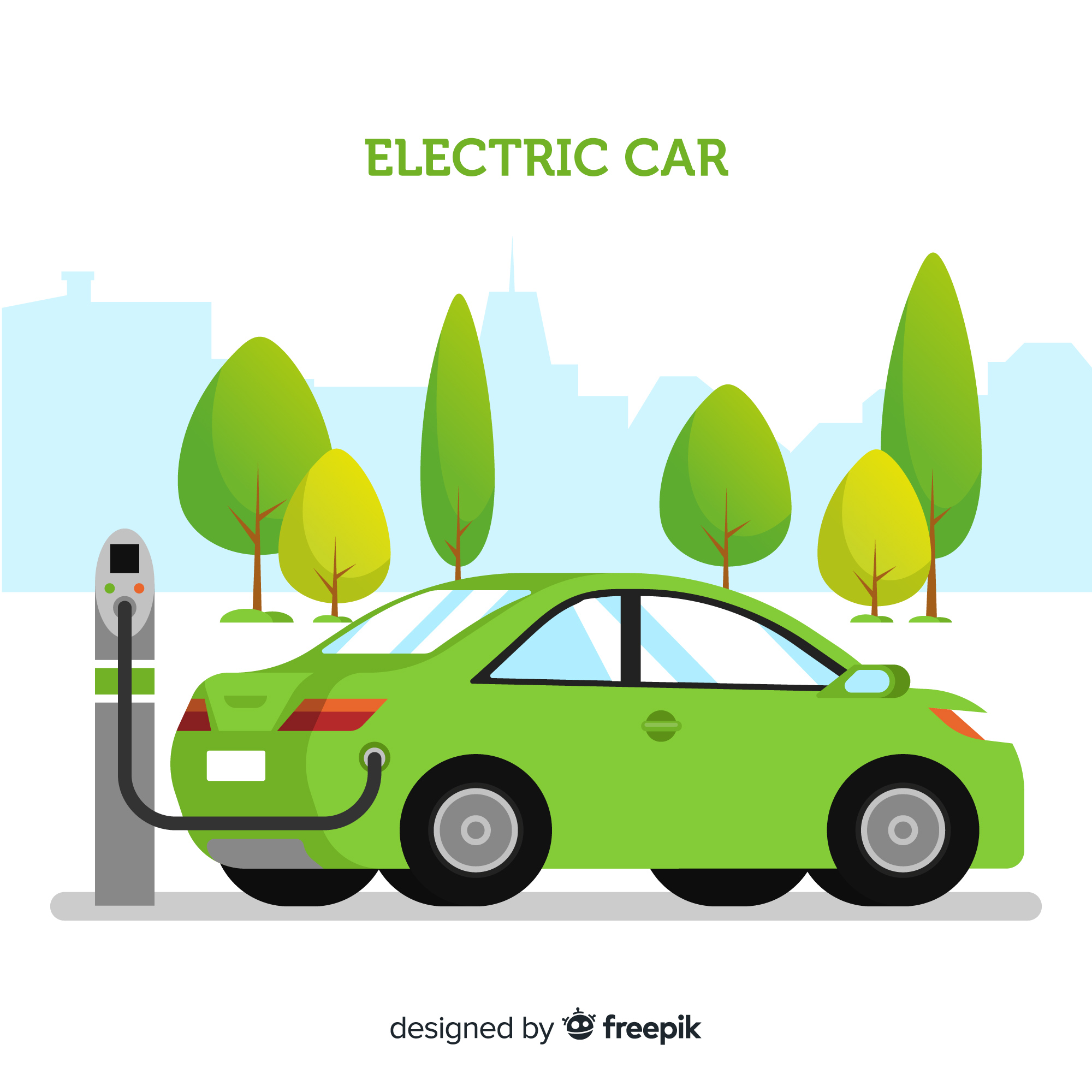
Advantages of EV vehicles
Here are the key advantages of electric vehicles (EVs), organized by category.
1. Environmental Benefits
-
Zero Tailpipe Emissions: EVs produce no exhaust, reducing harmful pollutants (NOx, particulate matter) that cause smog and respiratory illnesses.
-
Reduced Carbon Footprint: Even when charged from a mixed-grid electricity source, EVs typically have a lower lifecycle carbon footprint than gasoline cars. This improves as the grid adopts more renewable energy (solar, wind, hydro).
2. Lower Operating Costs
-
Fuel Savings: Electricity is significantly cheaper than gasoline per mile. Charging at home overnight offers the best savings.
-
Reduced Maintenance: EVs have far fewer moving parts than internal combustion engine (ICE) vehicles. There is no oil to change, no spark plugs, no timing belts, no exhaust system, and brake pads last much longer due to regenerative braking.
3. Performance & Driving Experience
-
Instant Torque: Electric motors deliver 100% of their torque instantly. This provides rapid acceleration and a responsive, "zippy" feel off the line, even in non-performance models.
-
Smooth & Quiet: EVs operate in near silence with no engine vibration, offering a much smoother and more serene driving experience.
-
Low Center of Gravity: The battery pack is usually mounted low in the chassis, improving stability, handling, and reducing the risk of rollover.
4. Convenience
-
Home Charging: The ability to "refuel" overnight in your own garage or driveway means you start every day with a "full tank," eliminating trips to gas stations for daily driving.
-
HOV Lane Access: In many regions (such as California and various countries in Europe), EV drivers are permitted to use High-Occupancy Vehicle (HOV/carpool) lanes even with a single occupant.
5. Technological Innovation
-
Over-the-Air Updates: Like smartphones, many EVs receive software updates wirelessly, improving features, battery management, and infotainment without a trip to the dealership.
-
Advanced Features: EVs often come equipped with cutting-edge technology, large touchscreen interfaces, and advanced driver-assistance systems (ADAS) as standard.
6. Energy Independence & Safety
-
Energy Diversity: Using electricity reduces a nation's reliance on imported petroleum.
-
Safety: The absence of a large, heavy internal combustion engine in the front allows for larger crumple zones. Additionally, the battery pack adds structural rigidity, and the risk of fire or explosion in a collision is statistically lower than in gasoline vehicles.
Quick Summary Table
|
Feature |
Electric Vehicle (EV) |
Gasoline Vehicle (ICE) |
|
Fuel/Energy Cost |
Low (electricity) |
Variable (gasoline) |
|
Maintenance |
Minimal (no oil, belts, etc.) |
Frequent (oil changes, filters) |
|
Noise |
Silent |
Engine noise |
|
Acceleration |
Instant torque |
Requires revving |
|
Home Refueling |
Yes |
No |
If you are considering switching to an EV, it’s worth noting that the initial purchase price can be higher than a comparable gas car, and charging infrastructure (while growing rapidly) may still require planning for long road trips. However, incentives (tax credits, rebates) and long-term savings on fuel and maintenance often offset the upfront cost over time.
By Jamuna Rangacharj


.png)
Discussion (0)
No comments yet. Be the first to comment!
Leave a Comment
You need to login to post a comment.