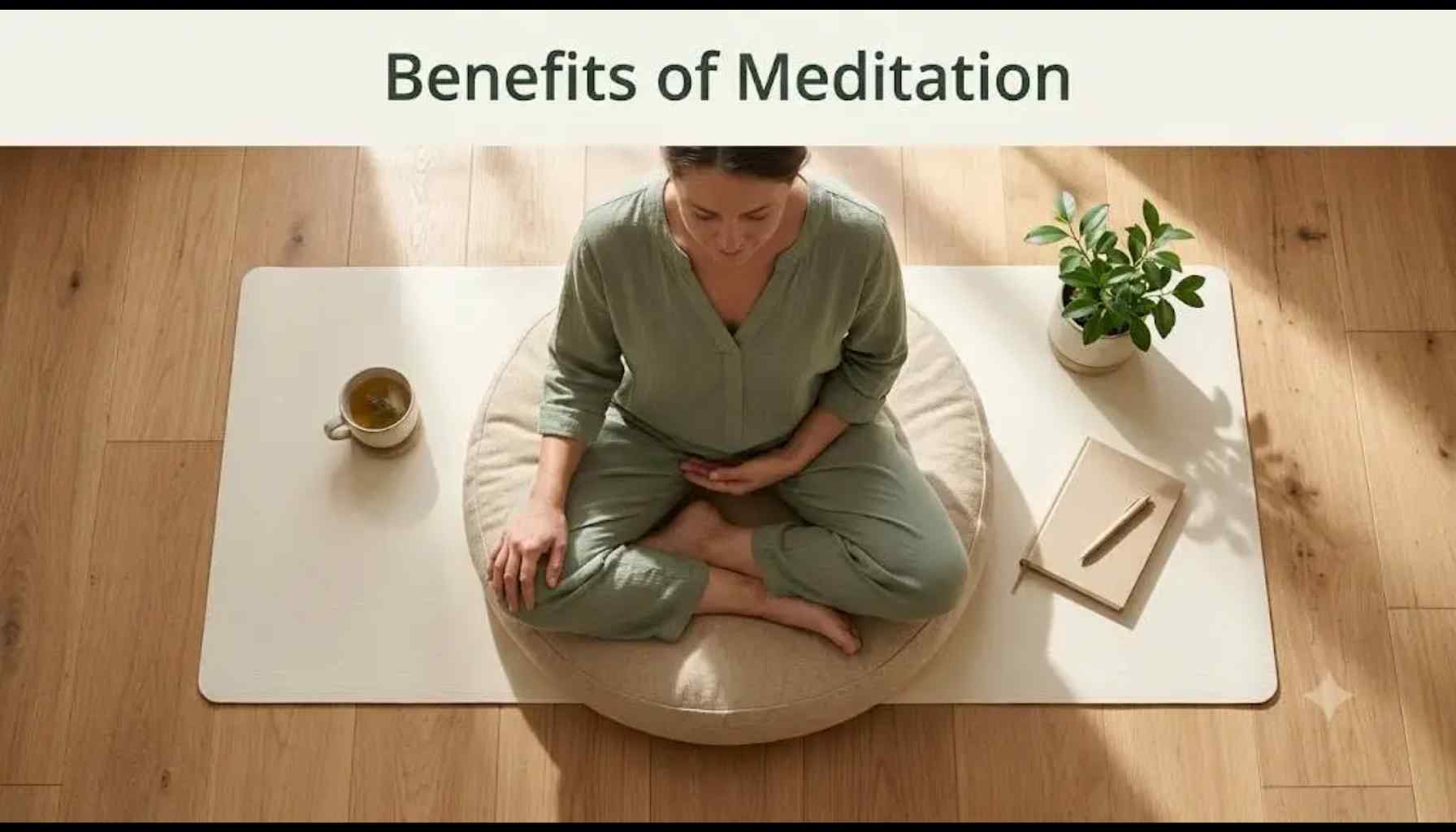
Benefits of Meditation: Evidence-Based Ways It Supports Mind and Body
Meditation offers more than a few peaceful minutes spent sitting quietly. It is a mind-body method that develops attention by focusing on something such as breathing, a word, or a bodily feeling, then calmly returning to it whenever the mind wanders. Decades of research suggest potential benefits for stress, emotional health, sleep, concentration, and blood pressure.
However, research findings are more complex than some headlines imply. Certain benefits have solid support, others are relatively small, and some remain unclear. This article reviews what the evidence indicates, explains how to begin, and outlines situations in which extra caution may be appropriate.
Key Takeaways
- Practising meditation regularly may ease stress and symptoms associated with anxiety or low mood.
- Meditation may support better-quality sleep and reduce insomnia.
- Research associates meditation with improved attention and modest reductions in blood pressure and heart rate.
- Findings on pain relief differ, with more encouraging evidence for persistent pain.
- Studies of immunity, loneliness, and chronic conditions are still developing; consider these potential rather than established benefits.
- Starting with five to ten minutes each day is a practical approach.
- Meditation can complement healthcare, but it should not take its place.
- A minority of people experience uncomfortable effects, so start gently and seek support when necessary.
What Is Meditation?
Meditation is a mind-body activity designed to strengthen attention and awareness. Usually, you choose a focus—such as the breath, a sound, or a short phrase—and bring your attention back whenever it wanders.
Numerous meditation methods have roots in Eastern traditions and have been practised for centuries. Some involve concentrating on one object or sensation, while mindfulness meditation encourages noticing the present moment without judging what arises.
People today often meditate to unwind, handle stress, and develop a greater sense of balance. These are among the reasons meditation may be beneficial.
Benefits of Meditation at a Glance
The overview below describes the general level of research support for each topic discussed in this article. These ratings are a reader-friendly summary, not formal medical classifications.
|
Area |
Research summary |
Evidence level |
|
Stress |
May reduce stress indicators and promote calmer responses |
Moderate |
|
Anxiety |
Symptoms may improve, especially with other care |
Moderate |
|
Low mood and depression |
May complement treatment |
Moderate |
|
Sleep |
Improved sleep quality and fewer insomnia symptoms |
Moderate |
|
Focus and memory |
Attention may improve; memory evidence is more limited |
Moderate for attention; early for memory |
|
Blood pressure and heart rate |
Small reductions for some people |
Modest |
|
Pain |
May help coping, but findings vary |
Mixed |
|
Compassion and emotional balance |
May reduce negative thoughts and encourage compassion |
Moderate |
|
Cravings and habits |
May increase awareness of impulses |
Early |
|
Immune system and inflammation |
Potential modest changes in certain markers |
Early |
|
Loneliness and relationships |
Potential improvements in social connection |
Early |
|
Long-term health conditions |
May support coping and quality of life |
Limited |
|
Children and teens |
Some school programmes report calmer behaviour |
Mixed |
How Meditation Works
Meditation does not rely on one isolated mechanism. Several processes may work together, helping explain how the practice can influence both emotions and physical responses.
One process involves the body's response to stress. When you perceive danger, stress hormones are released, your heartbeat increases, and your muscles tense. This response can be helpful during emergencies but exhausting when it continues for long periods. Focusing gently and steadily on breathing, as in relaxation meditation, may encourage the body to settle: breathing can slow and muscular tension may ease. This helps explain why people commonly use meditation to manage stress.
Another process involves attention. Whenever you notice that your mind has wandered and guide it back, you practise recognising distraction and redirecting your focus. Over time, this may help you step away from repeated worries instead of getting caught up in them. This is one reason people who frequently overthink may explore mindfulness meditation.
Science-Backed Benefits of Meditation for the Mind
It May Lower Stress
Stress is a leading reason people begin meditating, and research offers some support for doing so. A 2017 review of 45 studies reported that several meditation approaches may reduce physical signs of stress, including cortisol levels and heart rate.
A more measured response to stress is important because persistent stress can affect sleep, blood pressure, digestion, and mood. Meditation offers a practical daily pause that may help settle this response for a few minutes.
It May Ease Anxiety and Low Mood
The National Center for Complementary and Integrative Health reports that mindfulness-based methods may help relieve anxiety and depression. They appear more helpful than receiving no treatment and may have effects comparable to established approaches, including cognitive behavioral therapy.National Center for Complementary and Integrative Health
Other findings are consistent with this possibility. A review involving roughly 1,300 adults suggested that meditation can reduce anxiety, particularly among people whose anxiety was initially more severe. An eight-week mindfulness course also reduced symptoms in people with generalized anxiety disorder.
A separate review of over 3,500 adults found that mindfulness meditation eased depressive symptoms. Still, it is best used alongside professional treatment for these conditions rather than as a substitute.
It Can Sharpen Focus and Memory
Attention can be thought of as a skill that improves with practice, and focused-attention meditation exercises it. In one study, participants who meditated for 13 minutes daily over eight weeks performed better on measures of attention and memory.
People with meditation experience have also performed better than beginners on visual-attention tasks. Preliminary findings indicate that meditation might help preserve cognitive abilities in older adults, but further, larger studies are needed.
It Can Build Emotional Balance and Kindness
Certain meditation methods help people recognise unhelpful thought patterns and respond with greater calm. One study found that participants who completed a mindfulness exercise experienced fewer negative thoughts after viewing disturbing images.
Loving-kindness meditation builds on this approach by first directing kind wishes toward yourself and then toward other people. A review of 22 studies found that this practice increased compassion for oneself and others.
It May Help With Trauma, Cravings, and Eating Habits
Mindfulness-based methods may lessen symptoms of post-traumatic stress disorder. In one study involving veterans, meditation produced results similar to prolonged exposure therapy, a commonly used treatment.
Meditation may also be useful during substance-use recovery by helping people identify the thoughts and feelings that precede cravings. Some research suggests possible improvements in weight management and eating patterns, especially when structured meditation is paired with mindful activities in everyday life.
It May Strengthen Willpower and Self-Control
Managing an impulse begins with recognising it before responding. Meditation practises creating a pause between an urge and an action, which may help with cravings, unnecessary snacking, or habitual phone use. Small studies associate regular practice with improved self-regulation, although the benefits appear modest and are more useful when combined with practical strategies such as planning ahead.
Some people use the phrase money meditation for taking a moment to notice emotions and impulses before buying something. Research on this particular practice is limited, so it is better viewed as a useful pause than as a proven way to control spending.
It May Ease Loneliness and Support Relationships
Social disconnection is associated with poorer health, and a small number of studies suggest mindfulness programmes may reduce loneliness, especially among older people. Compassion-based methods, including loving-kindness meditation, may also encourage more patient and caring responses to others.
Meditation alone cannot replace human interaction. Taking a class with other people or practising with a friend can bring a social element to the routine.
Physical Benefits of Meditation for Your Body
Better Sleep
Mindfulness meditation may help people with insomnia and improve overall sleep quality. In some studies, its effects have been comparable to those of cognitive behavioral therapy or exercise.
A quieter mind and more relaxed body can make falling asleep easier, which is one way meditation may support rest. A gentle body scan before bed is a common wind-down method and may appeal to people looking for meditation techniques for deeper sleep.
Healthier Blood Pressure and Heart Rate
Meditation may reduce blood pressure and heart rate while the body is at rest. An analysis published in 2015, covering 12 studies and almost 1,000 participants, found lower blood pressure after meditation, with greater reductions among older participants and those who had higher readings at the beginning.
Researchers suggest that meditation may benefit the heart by calming nerve activity involved in the fight-or-flight response. It can form part of a heart-conscious lifestyle, but it should not replace prescribed medication for high blood pressure.
Pain and Digestive Comfort
Research findings on pain relief are inconsistent, although the evidence is more encouraging for persistent pain than for short-term discomfort.
Mindfulness may also reduce some irritable bowel syndrome symptoms, while a number of studies have associated meditation with fewer tension headaches. These outcomes are possible benefits, not guaranteed effects.
Immune Health and Inflammation
Initial studies suggest meditation could influence immune function and reduce certain inflammation markers, perhaps because ongoing stress affects both. A few small trials have found lower inflammatory activity or stronger vaccine responses among people practising mindfulness. Results remain preliminary and inconsistent, so meditation should be considered a supportive habit—not a method for preventing or treating infections or inflammatory illnesses. Continue to follow your clinician's guidance about vaccines and medicines.
Long-Term Health Conditions
Some people with fibromyalgia, asthma, lupus, or diabetes practise meditation to manage symptoms and everyday stress. Limited studies suggest it may improve quality of life, sleep, or coping for some individuals. There is no evidence that meditation cures or reverses these conditions, and research is still limited.
The same caution is important for mental health concerns. If you are considering meditation for an anxiety disorder, choose a gentle guided practice and involve your healthcare professional. Use meditation as a complementary approach, and consult your care team before making changes to any treatment.
Spiritual and Holistic Benefits of Meditation
Meditation has its origins in contemplative traditions, and people may practise it for reasons beyond measurable health outcomes, including meaning, gratitude, or a sense of inner quiet. Researchers sometimes describe these experiences in terms of well-being or purpose, but they are personal and difficult to quantify.
Religious belief is not required for meditation; secular mindfulness courses are widely available. Many people feel that meditation brings peace of mind, but this is a personal experience rather than a clinical outcome that can be measured consistently.
Immediate vs Long-Term Benefits
Meditation may offer benefits over two different periods, so it helps to consider whether you are looking for an immediate effect or changes that develop with practice.
- In the short term, even a brief session may release tension, slow breathing, and quiet racing thoughts. People may turn to meditation during a moment of anxiety or to settle nerves before an interview or important conversation. The relaxed feeling may continue after the session and last for some time.
- Across weeks or months, regular practice may lead to more sustained improvements. You might notice more stable moods, improved sleep, better concentration, and a less reactive response to stress. These changes tend to develop gradually and, much like physical fitness, may diminish when practice stops.
How Strong Is the Evidence?
The overall research picture for meditation is encouraging, but not uniform. Many studies involve small groups, last only a short time, or are difficult to compare because they use different techniques. Researchers have not established every benefit that is sometimes claimed.
Interpret studies funded by meditation businesses carefully and seek independent research where possible. Brain-imaging studies also indicate that meditation may affect activity in some brain regions, but scientists are still investigating what these changes mean in everyday life.
A balanced interpretation is that meditation can provide genuine, usually modest benefits. Continue any medical care you need rather than relying on meditation alone.
Meditation Benefits for Different People
The ways meditation may help can vary depending on a person's needs and circumstances.
- Busy professionals: Brief practice may help reduce pressure and improve concentration.
- Students: Stronger attention may help make study sessions more effective.
- Older adults: Meditation may offer support for attention and blood pressure.
- People experiencing insomnia or anxiety: It may be useful alongside therapy or professional medical guidance.
- People living with persistent pain: Meditation may make pain easier to manage.
- People with cancer: Meditation may support emotional well-being. Research to date has often focused on women with breast cancer, so the findings may not apply equally to everyone.
- People recovering from substance use: Meditation may help them recognise triggers as one element of a broader recovery plan.
Meditation for Children and Teens
Researchers have examined school-based mindfulness programmes for children and teenagers. Some studies report improvements in attention, calmer conduct, and lower stress, although results and study quality vary. Keep activities brief and engaging, have a trained adult guide them, and consult a paediatrician or mental health professional if a young person is having difficulties.
Types of Meditation and What Each One Offers
Choose a meditation approach based on the outcomes you would most like to work toward.
- Mindfulness meditation: Notice breathing, thoughts, and physical sensations without judging them. Often used to address stress, anxiety, and sleep difficulties.
- Focused attention: Keep your attention on a single point, such as breathing or a sound. This approach can help practise concentration.
- Open monitoring: Expand awareness to include whatever you notice around or within you. It may be easier after you have gained some experience.
- Mantra meditation: Repeat a soothing word or phrase to help settle busy thoughts.
- Guided meditation: Follow a teacher or audio recording that leads you through calming imagery. It can be accessible for beginners.
- Loving-kindness: Direct warm wishes toward yourself and other people to practise compassion.
- Body scan: Slowly bring awareness to different parts of the body to help release tension, often as part of a bedtime routine.
- Walking meditation: Focus carefully on the sensations of each step. It can suit people who find sitting still difficult.
- Movement-based methods: Practices such as yoga, tai chi, and qigong combine gentle movement with breathing and attention.
How to Start Meditating: A Simple 5-Step Routine
- Choose a quiet place and a regular time, for example soon after you wake up.
- Sit or lie down comfortably, keeping your spine upright but not stiff.
- Use a five-minute timer so you do not need to keep checking the time.
- Let your breathing remain natural and focus on the sensation of each breath.
- When your attention inevitably drifts, simply notice it and gently return your focus to breathing.
End with a slow breath and open your eyes gradually. As the routine becomes familiar, extend the session by a minute or two each week.
How Long Does It Take to See the Benefits of Meditation?
You might notice a calmer feeling after just one session, but more lasting changes generally require time. Many studies examine people after roughly eight weeks of consistent practice, making that a reasonable period over which to assess your own experience.
Regularity is more important than having long sessions. Practising for ten minutes on most days is generally more useful than doing one lengthy session occasionally.
Each week, make a brief record of your mood, sleep, and stress levels. Writing these down can help you notice gradual progress that might otherwise be overlooked.
Common Myths About Meditation
- Myth: You must clear your mind completely. Thoughts will arise; the practice is to notice them and gently return your attention.
- Myth: You must sit cross-legged. Choose any position that feels comfortable, whether in a chair or lying down.
- Myth: You need to meditate for an hour. Starting with a few minutes daily is fine.
- Myth: Every session should feel blissful. Some sessions may feel ordinary or restless, and that is normal.
- Myth: Meditation cures every problem. It may support well-being, but it cannot replace medical treatment.
Possible Risks and Who Should Take Care
Meditation is usually regarded as low risk, although unwanted effects can occur. An analysis of studies involving over 6,000 people found that around 8% reported negative experiences, most commonly anxiety or depression. This was a rate similar to that reported with talk therapy.
People with past trauma, severe anxiety, depression, or other mental health conditions should be especially cautious. Meditation can sometimes bring up difficult emotions or make existing symptoms worse.
- If you have a mental health condition, speak with your doctor or therapist before starting.
- Begin with brief guided practices; if shutting your eyes feels uncomfortable, leave them open.
- If distress continues rather than settling, stop the practice and seek support.
- Do not discontinue prescribed care in order to meditate instead.
- Select an instructor with appropriate training and ask about their background and experience.
Tips to Build a Lasting Meditation Practice
- Try to practise at a consistent time each day to help make meditation part of your routine.
- Link meditation to a habit you already have, such as brushing your teeth.
- If you prefer guidance or companionship, try an audio recording or attend a nearby class.
- If you miss a day, avoid criticising yourself; simply resume your practice.
- Experiment with different methods before settling on the one that suits you best.
- If it appeals to you, combine meditation with gentle activity such as yoga.
Building a consistent meditation routine takes time. Patience helps you gain its benefits, because brief sessions you can repeat are more sustainable than ambitious routines abandoned after a few days.
Frequently Asked Questions
What are the main benefits of meditation?
Research associates meditation with less stress, reduced anxiety and low mood, improved sleep and attention, and small decreases in blood pressure and heart rate. Outcomes depend on the person and the method, and meditation is most useful as a complement to healthcare.
How long does it take to see the benefits of meditation?
Some people feel more settled immediately, while longer-lasting effects often develop over several weeks of regular practice. Many studies assess outcomes after about eight weeks. Track your mood and sleep each week to see how things change.
Is meditation scientifically proven?
The evidence supports some benefits, but not every claim. Research is most encouraging for stress, anxiety, low mood, sleep, and blood pressure, with generally modest effects. Evidence concerning immunity and chronic conditions is less certain, and many studies are small or brief, so describing meditation as a cure is misleading. Trials do support mindfulness programmes as an addition to depression care, which is why meditation for depression is generally considered alongside therapy, not as a replacement.
Is meditation good for anxiety and depression?
Meditation may be helpful. Mindfulness-based approaches appear more beneficial than no treatment and may perform similarly to some established therapies. If symptoms are severe or persistent, consult a healthcare professional and use meditation only as an additional support.
Can meditation have side effects?
Side effects can happen, although not everyone experiences them. Some people feel anxious, low, or restless, particularly when beginning or during lengthy sessions. If this occurs, shorten your practice, try a guided session, and speak with a qualified professional.
Bottom Line
Meditation can offer meaningful benefits, but they are generally gradual and moderate rather than instant solutions. Practising consistently may help with stress, sleep, clear thinking, and heart health, especially when paired with appropriate medical care and healthy daily habits.
Begin with five minutes and select a method that feels comfortable. Practise consistently for around eight weeks before assessing the effect. If you have a mental health condition or chronic illness, consult your healthcare provider first.


Discussion (0)
No comments yet. Be the first to comment!
Leave a Comment
You need to login to post a comment.