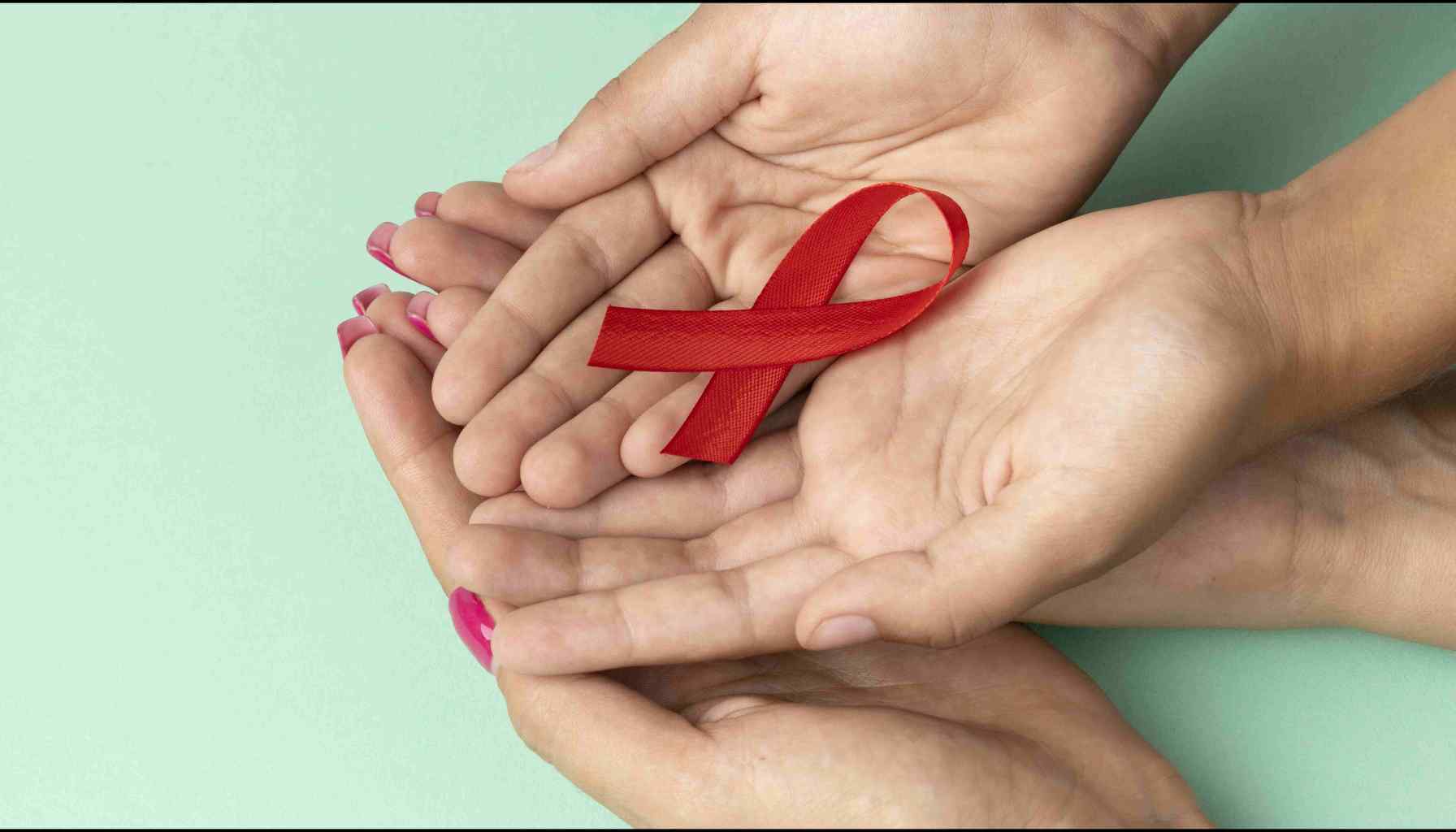
Barbados Eliminates Mother-to-Child Transmission of HIV: A Historic Public Health Achievement
The World Health Organization (WHO) announced this achievement on 30 October 2026, recognising the country's sustained efforts to protect pregnant women and ensure that babies are born free of HIV. This accomplishment represents a significant step forward in the global fight against AIDS and demonstrates how accessible healthcare, early diagnosis and effective treatment can save future generations.
Understanding Mother-to-Child Transmission of HIV
Mother-to-child transmission, also known as vertical transmission, occurs when a woman living with HIV passes the virus to her baby during pregnancy, childbirth or breastfeeding.
Without appropriate medical intervention, HIV can be transmitted from an infected mother to her child. However, modern antiretroviral medicines, regular medical monitoring and appropriate maternal healthcare can significantly reduce this risk.
With timely diagnosis and effective treatment, women living with HIV can have healthy pregnancies and give birth to children who do not have the infection.
Barbados has demonstrated how a well-organised healthcare system can make this possible.
How Barbados Achieved This Milestone
The achievement resulted from years of investment in public healthcare, maternal health services, HIV testing and treatment programmes.
One of the most important aspects of Barbados' approach has been providing free HIV testing and treatment to pregnant women, regardless of their nationality.
The country's healthcare system ensures that women receive appropriate medical attention throughout pregnancy and after childbirth.
According to the WHO assessment, between 2022 and 2024:
-
98% of pregnant women received antenatal care.
-
98% of pregnant women were tested for HIV.
-
98% of pregnant women living with HIV received antiretroviral treatment.
Most importantly, no new HIV infections resulting from mother-to-child transmission were reported among infants born during this three-year period.
World Health Organization+1
These results demonstrate the importance of combining preventive healthcare, early diagnosis and continuous medical support.
The Role of Free Healthcare and Early Diagnosis
Barbados' achievement highlights the importance of universal healthcare.
Pregnant women can access HIV testing and treatment through public healthcare facilities without financial barriers. This encourages more women to seek medical assistance and receive timely diagnosis.
Queen Elizabeth Hospital, the country's principal public hospital, plays an important role in maternal healthcare and accounts for approximately 93% of births.
HIV testing is voluntary and confidential. Women living with HIV are supported through medical care that respects their privacy, dignity and reproductive rights.
Early diagnosis allows healthcare professionals to initiate treatment promptly and monitor the health of both mother and baby.
Protecting Babies Through Medical Treatment
Antiretroviral therapy (ART) is central to preventing mother-to-child transmission.
These medicines suppress HIV in the mother's body, reducing the amount of virus in the bloodstream. When treatment is taken consistently under medical supervision, the risk of transmission to the baby becomes extremely low.
Babies exposed to HIV also receive appropriate testing, preventive care and follow-up monitoring.
This coordinated approach helps healthcare professionals identify potential problems early and provide timely treatment.
Barbados' experience demonstrates that HIV prevention during pregnancy requires a complete system of care rather than relying on a single medical intervention.
International Recognition and Global Significance
The WHO certification places Barbados among countries and territories recognised for eliminating mother-to-child transmission of HIV.
The achievement also strengthens the Caribbean's contribution to global HIV prevention.
The Pan American Health Organization (PAHO), WHO, UNICEF and UNAIDS have welcomed the country's progress and acknowledged the contribution of healthcare professionals, government leaders, community organisations and people living with HIV.
The recognition is particularly significant because it demonstrates that smaller countries can achieve major public health improvements through sustained investment and coordinated healthcare programmes.
easterncaribbean.un.org+1
Challenges That Still Need Attention
Although the achievement is historic, maintaining it will require continuous commitment.
Barbados must continue investing in maternal healthcare, HIV testing facilities, medicines and reliable health information systems.
It is equally important to address stigma and discrimination associated with HIV. Women should feel comfortable accessing testing and treatment without fear of judgement.
Community organisations and healthcare professionals can help by providing education, counselling and emotional support.
Continued monitoring of mothers and children will also be essential to protect the progress achieved.
A Step Towards an HIV-Free Generation
Barbados' success offers an inspiring example for other countries seeking to prevent childhood HIV infections.
Its experience shows that universal healthcare, affordable medicines, early diagnosis and respect for women's rights can make a lasting difference.
The achievement is not simply about eliminating a public health problem. It is about giving children the opportunity to begin life free from HIV and ensuring that women living with HIV receive the healthcare and support they deserve.
We wish them all the best.
By Jamuna Rangachari

Discussion (0)
No comments yet. Be the first to comment!
Leave a Comment
You need to login to post a comment.